
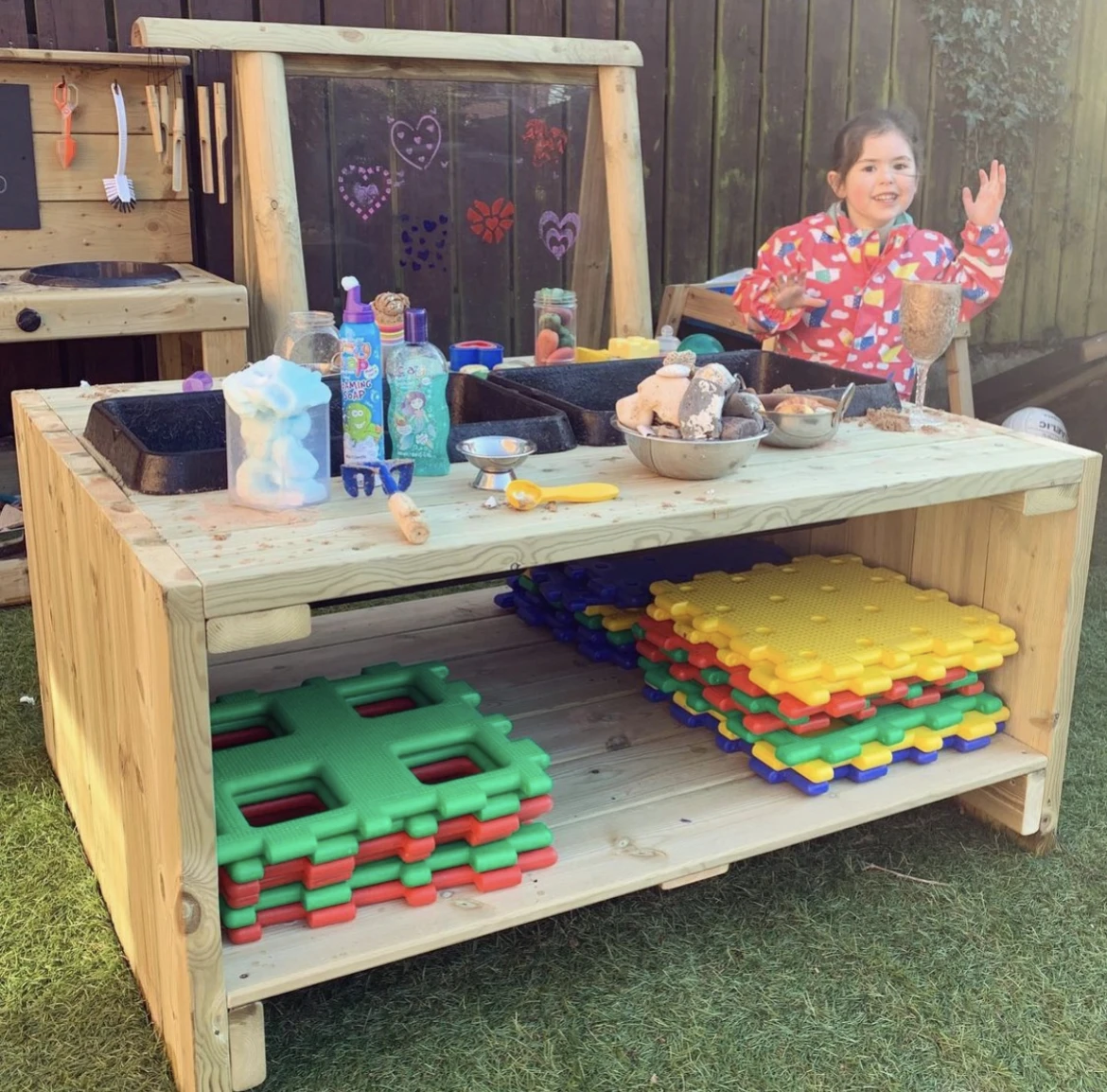
Babies are naturally curious and eager to explore the world around them. Sensory play provides them with the perfect opportunity to engage their senses and develop essential skills. By incorporating activities that stimulate touch, sight, sound, smell, and taste, sensory play supports cognitive growth, motor skills, and emotional development. This article delves into the numerous benefits of sensory play for babies, offering insights and tips for incorporating these activities into daily routines.
Understanding Sensory Play
Sensory play is a type of play that engages a child’s senses, such as touch, smell, taste, sight, and hearing. It also includes movement and balance. This form of play is crucial for a child’s brain development as it helps them process sensory information effectively, laying the foundation for more complex learning tasks in the future.
Benefits of Sensory Play
Sensory play offers myriad benefits for babies, including:
- Cognitive Development: Sensory play enhances the ability to process and respond to sensory inputs, fostering problem-solving skills and creativity.
- Fine and Gross Motor Skills: Activities like playing with clay or sand help develop hand-eye coordination and dexterity.
- Social Interaction: Engaging in group sensory play activities encourages communication and cooperation with peers.
- Emotional Regulation: Sensory experiences can have a calming effect, helping babies manage emotions and reduce anxiety.
For those looking to incorporate sensory play into their daily routine, discover expert strategies here.
How to Incorporate Sensory Play
Incorporating sensory play into a baby’s routine doesn’t require expensive toys or equipment. Here are some simple ways to introduce sensory activities:
- Water Play: Fill a shallow basin with water and let your baby splash around. Add floating toys to enhance the experience.
- Texture Exploration: Provide different textured fabrics or materials for your baby to feel and explore.
- Sound Discovery: Use rattles, musical instruments, or everyday objects to create different sounds for your baby to listen to.
- Taste Testing: Introduce new flavors in safe, small amounts to expand your baby’s palate.
To learn about our tailored solutions for sensory play, find out more about this approach.
Creating a Safe Environment
Safety is paramount when it comes to sensory play. Here are some tips to ensure a safe and enjoyable experience:
- Supervision: Always supervise your baby during sensory activities to prevent choking hazards or other accidents.
- Non-Toxic Materials: Use non-toxic, baby-safe materials and toys.
- Clean Space: Ensure the play area is clean and free from hazards. Regularly clean toys and materials to maintain hygiene.
For more insights on creating safe play environments, explore advanced guides and tips.
Conclusion
Sensory play is a vital component of a baby’s development, offering numerous cognitive, physical, and emotional benefits. By integrating sensory activities into daily routines, caregivers can provide enriching experiences that support overall growth. For those seeking more information and guidance on sensory play, learn about our tailored solutions.
