
In recent years, the importance of sustainable living has become increasingly evident. As energy consumption continues to rise, finding eco-friendly solutions has become crucial in various sectors, including the building industry. One significant area of focus is insulation, which plays a vital role in energy efficiency and reducing carbon footprints. Green insulation solutions are not only beneficial for the environment but also contribute to healthier living spaces. This article explores the various sustainable insulation options available today, highlighting their benefits and applications.
Understanding Green Insulation
Green insulation refers to materials and techniques used to insulate buildings in an environmentally friendly manner. These solutions are designed to minimize energy consumption, reduce greenhouse gas emissions, and utilize renewable resources. There are several types of green insulation materials to consider:
- Cotton (Denim) Insulation: Made from recycled cotton fibers, this type of insulation is safe to handle and does not contain harmful chemicals. It is effective in providing thermal and acoustic insulation.
- Cellulose Insulation: Composed of recycled paper products, cellulose insulation is treated with non-toxic fire retardants and pest-repellents. It is known for its high R-value and ability to fill small cavities and gaps.
- Sheep?s Wool: A natural and renewable resource, sheep?s wool insulation is biodegradable and has excellent moisture-wicking properties. It is effective in maintaining indoor air quality.
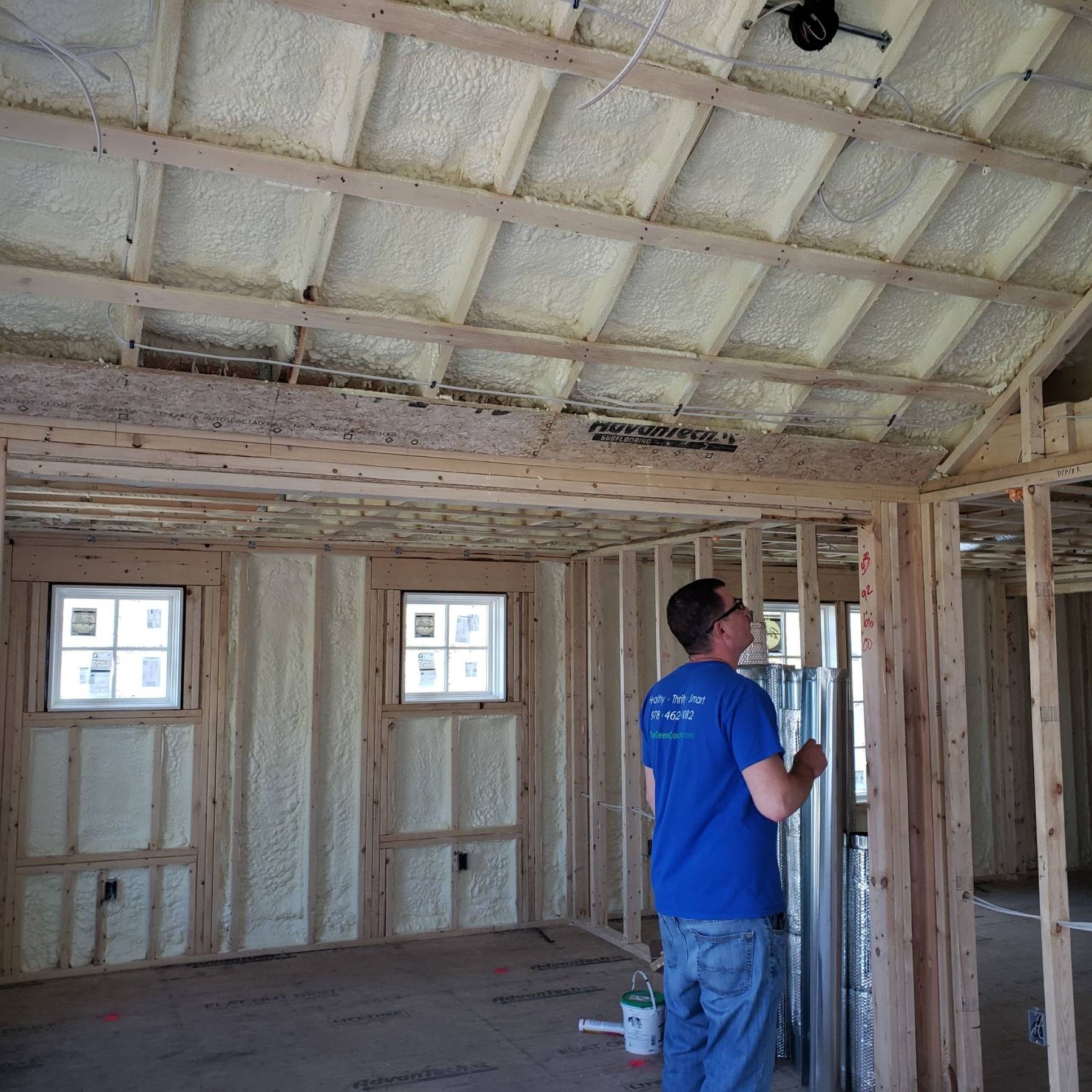
- Spray Foam Made from Soy: Derived from soybeans, this insulation option provides a high R-value and is effective in sealing air leaks. It is an eco-friendly alternative to petroleum-based spray foams.
Benefits of Green Insulation
The advantages of adopting green insulation solutions are multi-faceted. Implementing these sustainable materials can lead to:
- Energy Efficiency: Green insulation reduces heat loss and gain, leading to lower energy consumption and decreased utility bills.
- Reduced Environmental Impact: By utilizing renewable and recycled materials, green insulation helps conserve natural resources and reduces waste.
- Improved Indoor Air Quality: Many green insulation options are free from volatile organic compounds (VOCs) and other toxins, promoting healthier indoor environments.
- Longevity and Durability: Sustainable insulation materials often have a longer lifespan compared to traditional options, providing long-term benefits.
For a deeper understanding of these benefits, learn more in this detailed guide.
Challenges and Considerations
While green insulation solutions offer numerous benefits, there are also challenges and considerations to keep in mind:
- Cost: Initial costs for green insulation may be higher than traditional options. However, the long-term savings in energy bills can offset this initial investment.
- Availability: Some green insulation materials may not be readily available in all regions, requiring careful planning and sourcing.
- Installation Expertise: Certain types of insulation, such as spray foam, require professional installation to ensure effectiveness and safety.
To explore further insights on addressing these challenges, find additional information here.
Applications of Green Insulation
Green insulation can be applied in various building projects, ranging from residential to commercial settings. Some common applications include:
- New Construction: Incorporating green insulation from the outset ensures optimal energy efficiency and environmental benefits.
- Retrofits: Upgrading existing buildings with sustainable insulation can enhance thermal performance and reduce energy costs.
- Specialized Projects: Green insulation is particularly beneficial in projects aiming for LEED certification or other sustainability benchmarks.
For a comprehensive overview of these applications, explore further insights here.
Conclusion
As the demand for sustainable building solutions continues to grow, green insulation presents a viable and impactful option. By choosing eco-friendly insulation materials, builders and homeowners can contribute to a sustainable future while enjoying the practical benefits of energy savings and improved indoor environments. For more information on sustainable insulation solutions, read more about this topic.
