
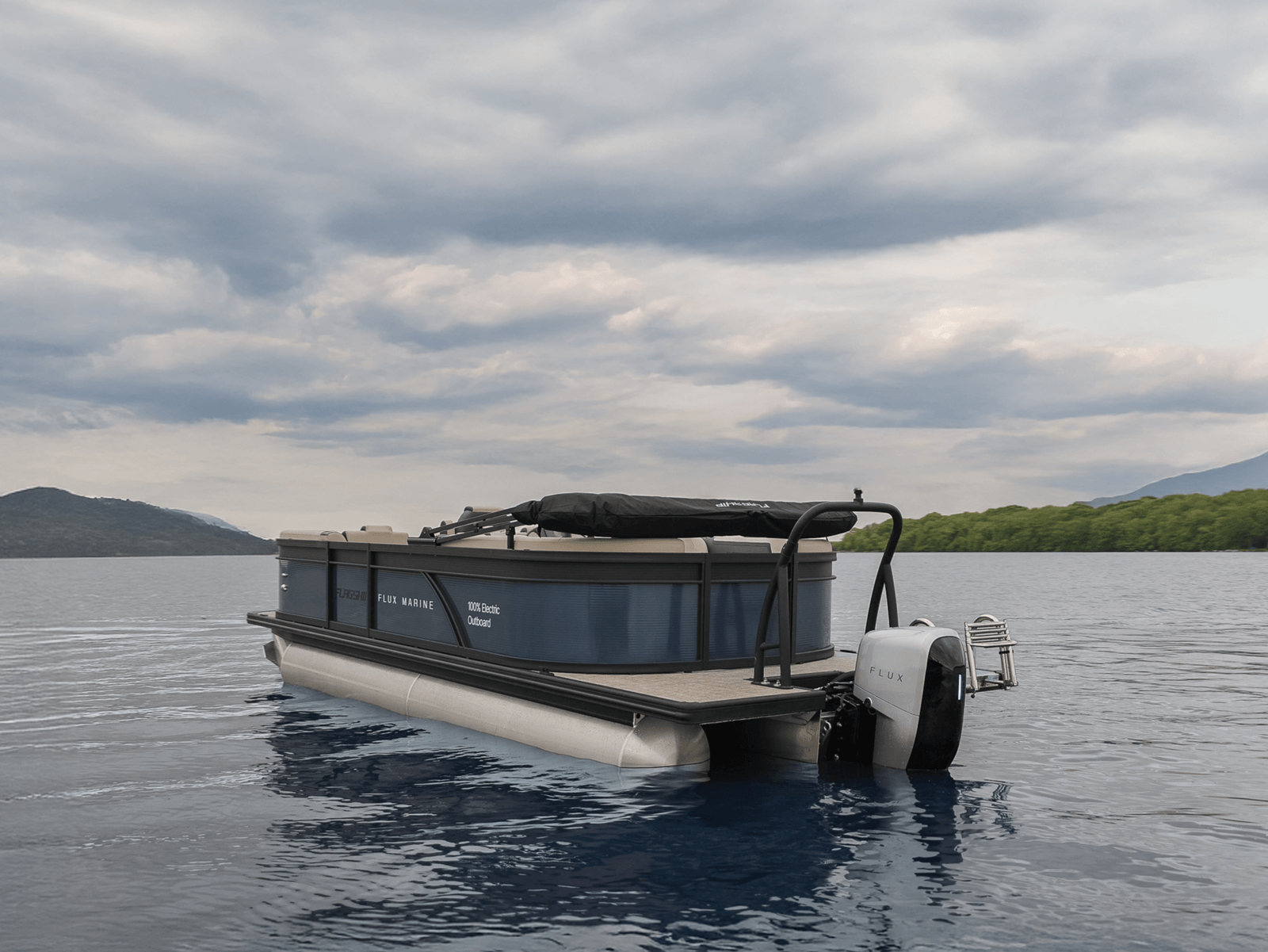
Globally, the maritime industry is undergoing a profound transformation as it embraces sustainability and innovation. With increasing awareness of environmental impact, zero-emission boating is capturing attention as a viable and promising alternative. The adoption of electric boat technology is pivotal in this shift, offering a cleaner, quieter, and more efficient means of water transportation. This article delves into the rise of this technology and its potential to revolutionize the boating industry.
The Environmental Imperative
The environmental benefits of zero-emission boating are substantial. Traditional boats typically rely on fossil fuels, contributing to air and water pollution. In contrast, electric boats operate without emitting harmful gases, making them an eco-friendly option. The adoption of electric propulsion systems minimizes:
- Air pollution by eliminating carbon dioxide and nitrogen oxide emissions.
- Noise pollution, resulting in a quieter and more pleasant experience for boaters and wildlife.
- Water pollution by reducing the likelihood of oil and fuel spills.
To understand more about the environmental advantages of electric boating, read more about this topic.
The Technological Advancements
Electric boat technology has advanced significantly, driven by improvements in battery efficiency, motor performance, and charging infrastructure. Key technological advancements include:
- Battery Technology: Modern batteries offer greater energy density, longer life cycles, and faster charging times, enabling longer voyages without the need for frequent recharging.
- Electric Motors: Advances in motor technology have led to higher efficiency and lower maintenance compared to traditional combustion engines.
- Infrastructure Development: The growing network of charging stations at marinas and ports facilitates the adoption of electric boats by ensuring convenient access to power sources.
These innovations are pivotal in making electric boating a practical and attractive option for enthusiasts and commercial operators. Learn more in this detailed guide on the latest technological trends.
Economic Considerations
While the initial investment in electric boats can be higher compared to conventional boats, several economic factors contribute to long-term savings and benefits:
- Lower Operating Costs: Electric boats have fewer moving parts, reducing maintenance costs. Additionally, electricity is generally cheaper than fossil fuels.
- Government Incentives: Various regions offer tax breaks, grants, and subsidies to promote the adoption of clean energy technologies, further offsetting initial costs.
- Increased Resale Value: As demand for sustainable solutions grows, electric boats may retain higher resale values.
For a comprehensive understanding of the economic impact of electric boating, explore further insights here.
The Future of Boating
The future of boating is undeniably linked to sustainability and innovation. As technology continues to advance, electric boats are poised to become even more efficient and accessible. The integration of smart technology, autonomous navigation systems, and enhanced battery capabilities will further transform the boating landscape.
The shift towards zero-emission boating reflects a broader movement towards sustainable practices across industries. By embracing electric boat technology, the maritime industry can significantly reduce its environmental footprint and contribute to a cleaner, more sustainable future.
To stay updated on the future developments and innovations in electric boating, find additional information here.
