
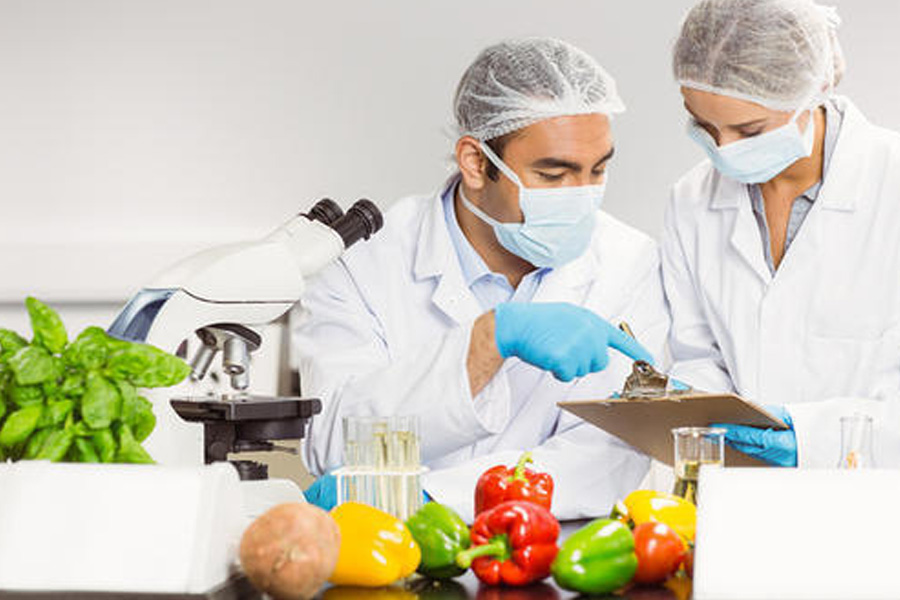
Food analysis is a critical component in ensuring the safety, quality, and nutritional value of food products. Testing laboratories employ a range of sophisticated techniques and methodologies to analyze various aspects of food items. These processes help in verifying compliance with food safety standards, identifying potential contaminants, and ensuring that nutritional labels are accurate. Understanding the key processes involved in food analysis can help stakeholders make informed decisions about food safety and quality. This article delves into the essential steps that constitute food analysis in a testing lab.
Sample Preparation
Sample preparation is the first step in food analysis. This involves collecting, homogenizing, and sometimes storing samples in specific conditions to ensure that they remain unchanged before analysis. The precision of this step is crucial as it directly affects the accuracy of subsequent tests. The following are key components of sample preparation:
- Sampling: Selecting representative samples that accurately reflect the batch or lot.
- Homogenization: Ensuring uniformity in the sample to eliminate variability in test results.
- Preservation: Using techniques such as freezing or chemical preservatives to maintain sample integrity.
For detailed techniques on sample preparation, discover expert strategies here.
Chemical Analysis
Chemical analysis is performed to identify and quantify the chemical components of a food sample. This includes the detection of nutrients, additives, and potential contaminants. Several methods are employed in chemical analysis:
Chromatography
Chromatography is used to separate complex mixtures into individual components. Techniques such as gas chromatography (GC) and liquid chromatography (LC) are widely used to analyze vitamins, preservatives, and pesticides in food products.
Mass Spectrometry
Mass spectrometry is often coupled with chromatography to provide detailed molecular information on the components identified. This is crucial for identifying unknown compounds and verifying the presence of specific additives or contaminants.
For more information on chemical analysis techniques, learn about our tailored solutions.
Microbiological Analysis
Microbiological analysis is vital for detecting pathogens and spoilage organisms in food. This ensures that food products are safe for consumption and have an adequate shelf life. The following methods are commonly used:
- Culturing: Growing microorganisms on selective media to identify and count specific bacteria or fungi.
- Molecular Techniques: Using polymerase chain reaction (PCR) and other DNA-based methods to detect and quantify microorganisms quickly and accurately.
To explore advanced guides and tips on microbiological analysis, explore advanced guides and tips.
Physical Analysis
Physical analysis involves examining the physical properties of food products, such as texture, color, and particle size. These characteristics can affect consumer perception and product quality. Common techniques include:
- Texture Analysis: Measuring the firmness, chewiness, and elasticity of food items.
- Colorimetry: Assessing the color of food products to ensure consistency and appeal.
- Particle Size Analysis: Determining the distribution of particle sizes in powdered or granulated products.
Find out more about this approach by visiting this link.
Sensory Analysis
Sensory analysis evaluates the taste, smell, and overall sensory experience of food products. A panel of trained testers may be employed to assess these attributes, providing valuable insights that can influence product development and marketing strategies.
- Taste Testing: Evaluating flavor profiles and ensuring consistency across batches.
- Aroma Analysis: Identifying key aroma compounds that contribute to the product’s sensory appeal.
- Texture and Mouthfeel: Assessing the tactile sensations experienced during consumption.
Each of these processes plays an essential role in ensuring that food products meet safety, quality, and labeling standards. By understanding and optimizing these key processes, testing labs can provide valuable insights that help manufacturers deliver safe and high-quality products to consumers. For a comprehensive overview of food analysis procedures, consider exploring resources such as these advanced guides and tips.
