
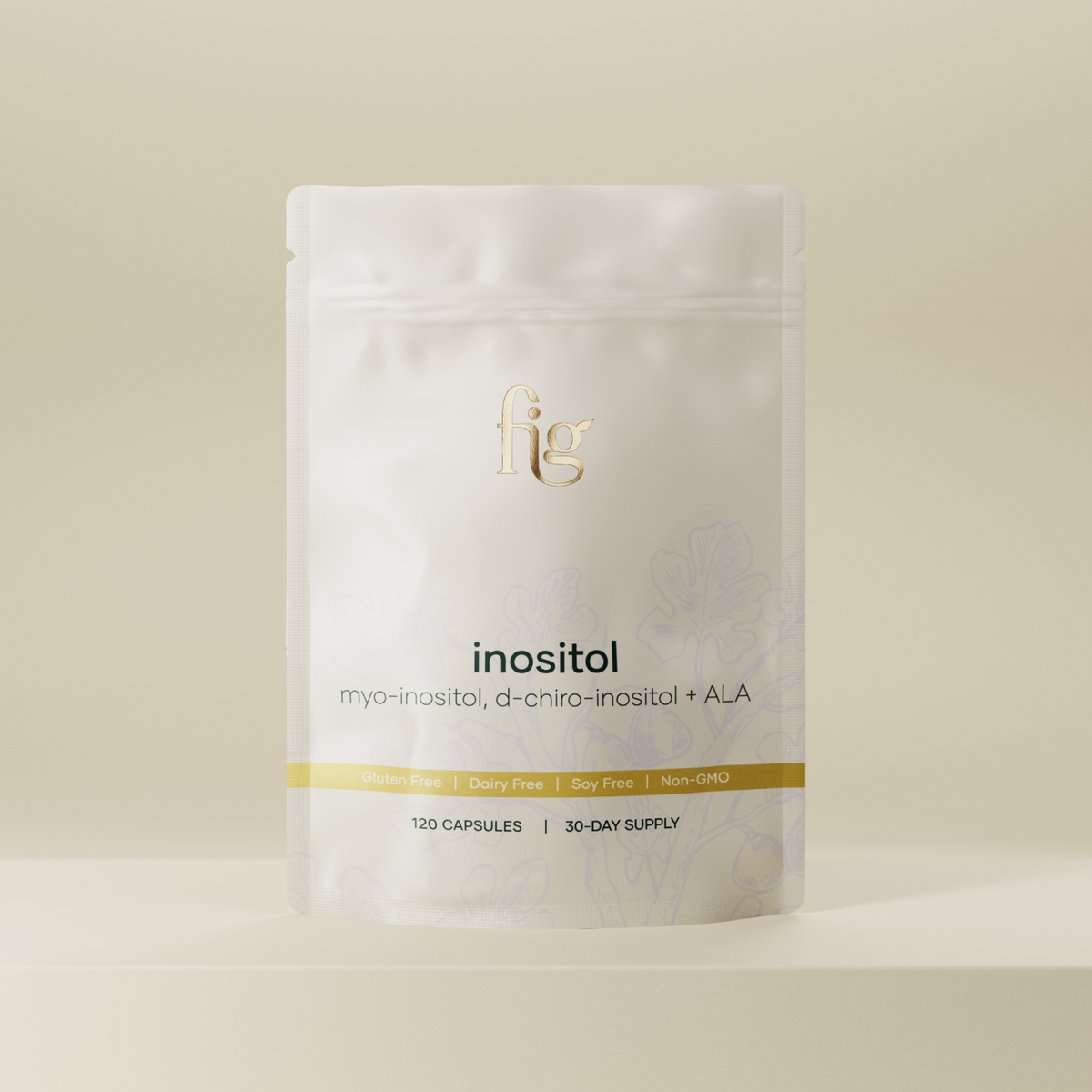
Inositol, a naturally occurring compound found in foods and available as a dietary supplement, has gained attention for its potential benefits in supporting mental health. As mental health issues become more prevalent, individuals and health professionals alike are increasingly turning to supplements like inositol to complement traditional treatment methods. While ongoing research continues to explore the full scope of its benefits, the current findings suggest that inositol may play a valuable role in enhancing mental wellness. This article delves into the various mental health benefits associated with inositol, providing insights into its potential applications and considerations for use.
Understanding Inositol
Inositol, often referred to as a type of sugar alcohol, is a carbohydrate that is present in the body’s cells. It is structurally similar to glucose and is involved in a variety of biological processes, particularly those relating to cell signaling and the balance of neurotransmitters. This compound is integral to the production of phosphatidylinositol, a crucial component in cellular communication.
How Inositol Supports Mental Health
Research suggests that inositol may have several mental health benefits, including:
- Improving Mood Disorders: Inositol has shown promise in alleviating symptoms associated with mood disorders, such as depression and anxiety. Its potential to influence serotonin levels may contribute to improved mood regulation. Find out more about this approach.
- Supporting Anxiety Management: By promoting the balance of neurotransmitters, inositol may help reduce anxiety symptoms, making it a potential supplement for those coping with anxiety disorders. Discover expert strategies here.
- Addressing Obsessive-Compulsive Disorder (OCD): Some studies indicate that inositol may be beneficial for individuals with OCD, potentially reducing the frequency and intensity of compulsive behaviors.
Potential Benefits for Specific Conditions
Inositol’s role in mental health extends beyond general mood support. It may offer targeted benefits for specific conditions:
- Bipolar Disorder: Although more research is needed, some evidence suggests that inositol supplementation can help stabilize mood swings in individuals with bipolar disorder.
- Panic Disorder: Inositol may help alleviate panic disorder symptoms, providing a natural alternative or complement to traditional treatments.
For more detailed insights on how inositol can benefit these specific conditions, learn about our tailored solutions.
Integrating Inositol into a Wellness Routine
For those considering inositol as part of their mental health regimen, it’s important to approach supplementation thoughtfully. Here are some considerations:
- Consult Healthcare Professionals: Always discuss with a healthcare provider before starting any new supplement, especially if you are currently taking medication or have existing health conditions.
- Dosage Recommendations: The appropriate dosage of inositol can vary based on individual needs and existing health conditions. Professional guidance is crucial to determine the optimal dosage.
- Monitor for Side Effects: While generally considered safe, some individuals may experience mild side effects such as nausea or dizziness. Monitoring your body’s response is essential.
To explore advanced guides and tips on incorporating inositol into your routine, explore advanced guides and tips.
Conclusion
Inositol presents a promising option for those seeking to support their mental health naturally. With its potential to improve mood disorders, manage anxiety, and aid in specific conditions, it is worth considering as part of a comprehensive mental wellness strategy. As always, professional advice should guide its use to ensure safety and efficacy. By staying informed and cautious, individuals can make the most of inositol’s benefits in their journey towards better mental health.
