
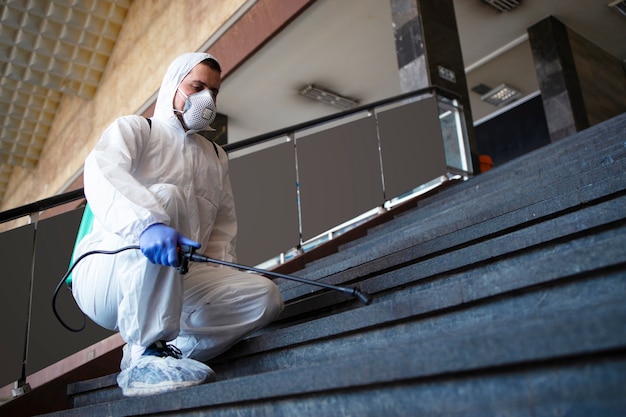
Mold in HVAC systems is an often overlooked yet significant problem that can adversely affect indoor air quality and pose health risks to building occupants. Mold thrives in damp, dark environments, making HVAC systems a prime location for growth if not properly maintained. Addressing this issue promptly is essential to ensuring a healthy indoor atmosphere and preventing potential respiratory issues among residents. Understanding the source, removal, and prevention of mold in these systems is crucial for maintaining a safe living and working environment.
Understanding Mold Growth in HVAC Systems
Mold spores are ubiquitous and can easily enter HVAC systems through various entry points. Once inside, if the conditions are right, mold can quickly spread throughout the system and into the building”?s air supply. Factors contributing to mold growth in HVAC systems include:
- Excess moisture from leaks or condensation.
- Poor ventilation that traps humidity.
- Accumulation of dust and debris providing a food source.
- Irregular maintenance and cleaning schedules.
For more detailed information on identifying and preventing these factors, discover expert strategies here.
Steps for Removing Mold from HVAC Systems
Inspection and Identification
Before undertaking mold removal, it is crucial to conduct a thorough inspection of the HVAC system. This process involves:
- Checking air ducts, filters, and coils for visible mold.
- Identifying moisture sources contributing to mold growth.
- Using specialized tools to measure moisture levels and air quality.
Conducting a comprehensive inspection helps in formulating an effective mold removal plan. Learn about our tailored solutions to tackle this step efficiently.
Effective Mold Removal Techniques
Once mold is identified, the removal process can begin. This typically involves:
- Using HEPA vacuum cleaners to remove mold spores from surfaces.
- Applying EPA-approved antimicrobial treatments to affected areas.
- Replacing contaminated filters and insulation materials.
- Ensuring proper ventilation during and after the cleaning process.
Professionals may also utilize advanced techniques such as fogging with specialized cleaning agents. Explore advanced guides and tips for more on these methods.
Preventing Mold Recurrence
Preventing future mold growth is as important as removal. Implementing a proactive maintenance strategy can significantly reduce the risk of mold returning. Consider the following preventive measures:
- Regularly inspecting and cleaning HVAC components.
- Ensuring proper drainage and addressing leaks promptly.
- Installing high-quality air filters and replacing them regularly.
- Maintaining indoor humidity levels between 30-50%.
Routine maintenance and vigilance are key to effective mold prevention. Find out more about this approach to safeguard your HVAC system.
Conclusion
Addressing mold in HVAC systems is essential for ensuring healthy indoor air quality and the well-being of building occupants. By understanding the causes of mold growth, adopting effective removal methods, and implementing preventive measures, significant improvements can be made in maintaining a mold-free environment. Regular inspections and maintenance should be a part of every property owner’s responsibilities to ensure the efficiency and safety of their HVAC systems. For more comprehensive insights and solutions, discover expert strategies here.
