
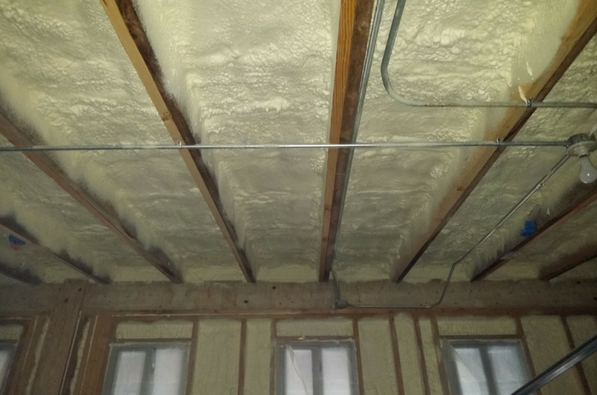
In today’s rapidly changing climate, energy efficiency has become a priority for homeowners seeking to reduce their carbon footprint and energy bills. Retrofit insulation projects offer a compelling solution for enhancing the energy efficiency of existing buildings. By integrating advanced materials and techniques, these projects can significantly improve a home’s thermal performance. Understanding the key aspects of retrofit insulation and implementing the right strategies can lead to substantial energy savings and increased comfort.
The Importance of Retrofit Insulation
Retrofitting insulation in older buildings is crucial for several reasons:
- Energy Savings: Introducing modern insulation materials can drastically reduce heat loss during winter and heat gain during summer, leading to lower energy consumption.
- Enhanced Comfort: Proper insulation creates a more stable indoor climate, minimizing drafts and temperature fluctuations.
- Environmental Impact: Lower energy usage translates into reduced greenhouse gas emissions, contributing to a more sustainable environment.
For detailed strategies on improving building insulation, discover expert strategies here.
Types of Insulation Materials
Fiberglass Insulation
Fiberglass is one of the most common insulation materials used in retrofit projects. Its affordability and effectiveness make it a popular choice for homeowners.
- Pros: Cost-effective, easy to install, non-combustible.
- Cons: Can cause skin irritation, loses efficiency if compressed.
Spray Foam Insulation
Spray foam offers superior air sealing capabilities, making it ideal for hard-to-reach areas.
- Pros: Excellent air barrier, high R-value per inch.
- Cons: Higher cost, professional installation required.
Learn about our tailored solutions for utilizing spray foam insulation effectively in retrofit projects.
Cellulose Insulation
Made from recycled paper products, cellulose is an eco-friendly option that provides effective thermal protection.
- Pros: Environmentally friendly, good soundproofing qualities.
- Cons: Can settle over time, requires professional installation.
Steps for Successful Retrofit Insulation
Assessment and Planning
A thorough assessment of the building’s current insulation status is essential. This step involves identifying areas with inadequate insulation and potential air leaks.
- Conduct an energy audit to identify insulation gaps.
- Determine which insulation materials best suit the building’s needs.
Explore advanced guides and tips on assessing and planning retrofit insulation projects efficiently.
Installation Process
The installation process varies depending on the chosen insulation material. It is critical to follow manufacturer guidelines and hire qualified professionals to ensure optimal results.
- Seal air leaks before installing insulation to enhance effectiveness.
- Consider using a combination of insulation types for different areas.
Post-Installation Evaluation
After installation, evaluating the insulation’s performance is vital to ensure it meets the desired energy efficiency goals.
- Conduct a follow-up energy audit to measure improvements.
- Check for any remaining air leaks or areas needing additional insulation.
Find out more about this approach to ensure long-term success in retrofit insulation projects.
Conclusion
Retrofit insulation projects are a strategic investment for enhancing a building’s energy efficiency. By selecting the right materials and following a structured implementation process, homeowners can achieve significant energy savings and improve indoor comfort. For those looking to embark on a retrofit insulation project, tapping into expert advice and resources can make all the difference in achieving sustainable and effective outcomes.
