
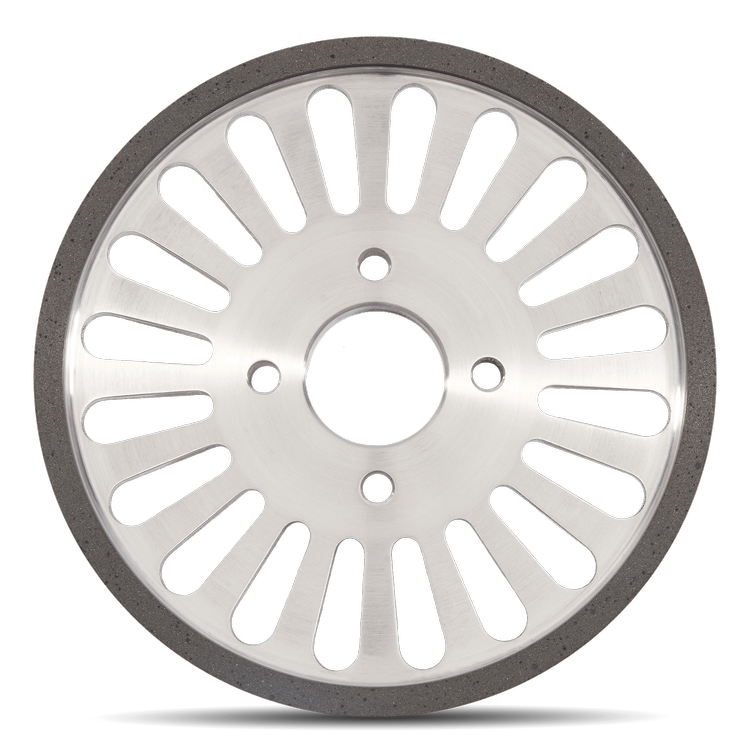
In the world of abrasive technology, resin bond grinding wheels hold a pivotal place, providing precision and efficiency in various manufacturing processes. These grinding wheels are crafted with a resin bonding agent, which ensures flexibility and strength, making them suitable for a wide array of applications. Understanding the nuances of resin bond grinding wheels is essential for industries that rely on durable and efficient grinding tools.
What Are Resin Bond Grinding Wheels?
Resin bond grinding wheels are composed of abrasives and a bonding agent, typically resin, which holds the abrasive grains together. These wheels are designed to provide excellent cutting performance, surface finish, and longevity. The resin bond allows for a degree of elasticity in the wheel, which can be advantageous in reducing the risk of wheel breakage and improving the quality of the finish.
Key Characteristics
- Flexibility: The resin bond offers a flexible grinding action, reducing the likelihood of chipping and breakage.
- Versatility: Suitable for use on a variety of materials including metals, ceramics, and composites.
- Durability: The bond ensures a long-lasting wheel, capable of withstanding significant wear and tear.
- Precision: Provides a high-quality finish, essential for precision grinding applications.
Applications of Resin Bond Grinding Wheels
These grinding wheels are integral to numerous industrial applications. Due to their versatile nature, they can be utilized in both rough and precision grinding tasks. Industries such as automotive, aerospace, and tool manufacturing find resin bond grinding wheels indispensable for their operations.
Common Uses
- Tool and Cutter Grinding: Ideal for sharpening tools and cutters with precision.
- Surface Grinding: Provides a smooth surface finish for metals and other materials.
- Centerless Grinding: Used extensively for process efficiency in large production runs.
- Glass and Ceramic Grinding: Suitable for delicate materials, ensuring minimal damage and high-quality finishes.
Advantages of Using Resin Bond Grinding Wheels
The benefits of using resin bond grinding wheels are numerous, making them a preferred choice in various industries. Their design and material composition offer distinct advantages that enhance productivity and product quality.
Key Benefits
- Cost-Effective: Offers a balance between performance and cost, making them a practical choice for many industries.
- Efficiency: Capable of removing material quickly while maintaining a high-quality finish.
- Reduced Heat Generation: The resin bond helps in dissipating heat, reducing the risk of thermal damage to the workpiece.
- Customization: Can be tailored to meet specific requirements, including size, shape, and abrasive type.
Choosing the Right Resin Bond Grinding Wheel
Selecting the appropriate resin bond grinding wheel involves considering several factors to ensure optimal performance. The choice largely depends on the material being worked on, the desired finish, and the specific grinding process.
Considerations
- Material Compatibility: Ensure the wheel is suitable for the material to be ground to prevent damage and achieve the desired finish.
- Grinding Conditions: Consider the speed, feed rate, and depth of cut to select a wheel that can withstand these parameters.
- Wheel Specifications: Evaluate the wheel’s size, grit, hardness, and concentration to match the application requirements.
For more detailed guidance on selecting and using resin bond grinding wheels, industry professionals can explore more about resin bond grinding wheel technology and applications.
Conclusion
Resin bond grinding wheels are a cornerstone of modern manufacturing, offering unparalleled versatility and performance. By understanding their characteristics, applications, and advantages, industries can optimize their processes and achieve superior results. Whether for precision tool grinding or large-scale production, these grinding wheels provide the reliability and efficiency needed to meet the demands of today’s manufacturing landscape.
