
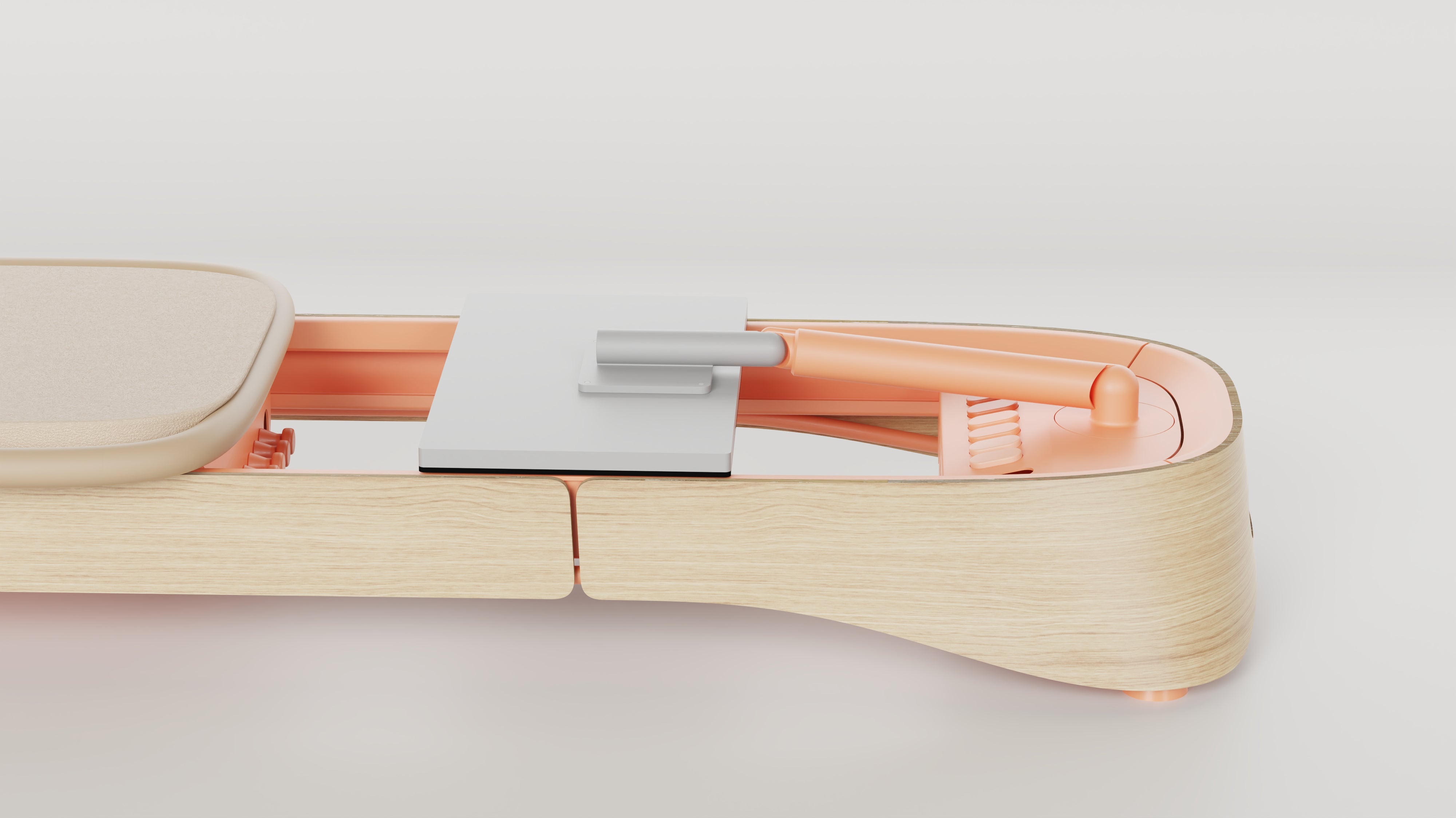
Creating a dedicated Pilates space at home can transform a routine workout into a personalized wellness experience. A Pilates reformer offers resistance, alignment, and fluid movement that bodyweight exercises alone cannot match. Selecting the right model involves balancing space, budget, functionality, and durability. This guide walks through the essential considerations, key features, and practical tips to help anyone choose a reformer that delivers studio-level performance without leaving the house.
Why Choose a Pilates Reformer for Home Use?
Unlike mats or small accessories, a reformer provides a dynamic platform that supports a full spectrum of Pilates exercises, from beginner to advanced. The sliding carriage, adjustable springs, and versatile attachments enable:
- Progressive resistance training without the need for heavy weights.
- Improved core stability and spinal alignment through guided motion.
- Low-impact workouts that are gentle on joints yet highly effective.
- Customizable routines that can evolve with the user’s fitness level.
Key Factors to Evaluate Before Purchasing
1. Space and Dimensions
Measure the intended area carefully. Most reformers require a clearance of at least 8-10 feet in length and 4-5 feet in width to accommodate the carriage’s full range of motion. Consider ceiling height for overhead attachments and ensure there is room for a mat or additional equipment.
2. Weight Capacity and Build Quality
Look for a sturdy frame, typically aluminum or steel, that can support 300″?lb or more. A high weight capacity indicates robust spring mechanisms and a durable carriage, essential for long-term use.
3. Spring System and Resistance Levels
Modern reformers often feature interchangeable springs or a digital resistance system. More springs provide finer gradations of resistance, allowing smoother progression from gentle stretching to intense strength work.
4. Adjustability and Accessories
Key adjustable components include:
- Footbar height and angle.
- Headrest and shoulder rests.
- Optional attachments such as a Cadillac bar, jumpboard, or Pilates tower.
These features expand the exercise library and make the reformer suitable for multiple users.
5. Portability and Storage
If the home environment is shared or limited, a fold-away or wheeled model can be advantageous. Ensure the locking mechanisms are secure and that the carriage slides smoothly when folded.
Top Features to Look For
- Quiet Glide System: A smooth, low-noise carriage is essential for a pleasant home environment.
- Digital Resistance Controls: Some premium models integrate an app or console for precise resistance adjustments.
- Durable Upholstery: Look for high-density foam and breathable fabrics that resist wear.
- Safety Locks: Ensure the carriage and footbar lock securely when not in use.
Budget Considerations
Reformers range from budget-friendly kits under $1,000 to premium studio-grade units exceeding $5,000. While price often reflects material quality and feature set, a well-designed mid-range model can provide excellent performance for most home users.
For a balanced investment, compare:
- Warranty length (minimum 2-year coverage is advisable).
- Customer service reputation.
- Availability of replacement parts.
How to Test a Reformer Before Buying
Even when purchasing online, it’s possible to gauge suitability:
- Watch detailed video demonstrations on the product page.
- Read user reviews that discuss assembly ease and long-term durability.
- Check if the retailer offers a trial period or a hassle-free return policy.
For deeper insight, Discover expert strategies here and explore how professionals set up their home studios.
Setting Up Your Home Studio
Once the reformer arrives, a well-planned layout enhances both safety and motivation.
- Place the reformer on a non-slippery surface, such as a rubber mat.
- Ensure adequate lighting, natural light is ideal, supplemented by soft overhead fixtures.
- Keep a small shelf nearby for towels, water, and any accessories.
Maintenance Tips for Longevity
Regular care keeps the equipment performing at its best:
- Wipe down the frame after each session to prevent sweat corrosion.
- Inspect springs for signs of fatigue and replace them as needed.
- Lubricate the carriage rails with a silicone-based spray every few months.
Choosing the Right Model
Below is a concise checklist to match your needs with the ideal reformer:
- Space Availability: If space is limited, opt for a fold-away design.
- User Experience Level: Beginners benefit from simple spring setups; advanced users may prefer digital resistance.
- Desired Accessories: Identify which optional attachments will be used most often.
- Budget Ceiling: Set a realistic price range before narrowing options.
For a curated selection that meets these criteria, Learn about our tailored solutions and compare specifications side by side.
Final Thoughts
Investing in a Pilates reformer for home use is a commitment to consistent, high-quality movement. By assessing space, durability, resistance options, and budget, the right choice will deliver studio-level results without the commute. Pair the equipment with a structured routine, and the home studio can become a cornerstone of health, flexibility, and strength for years to come.
For additional guidance, Explore advanced guides and tips that cover programming, progression, and injury-prevention strategies. When the equipment aligns with personal goals and living conditions, the benefits of Pilates become a seamless part of daily life.
