
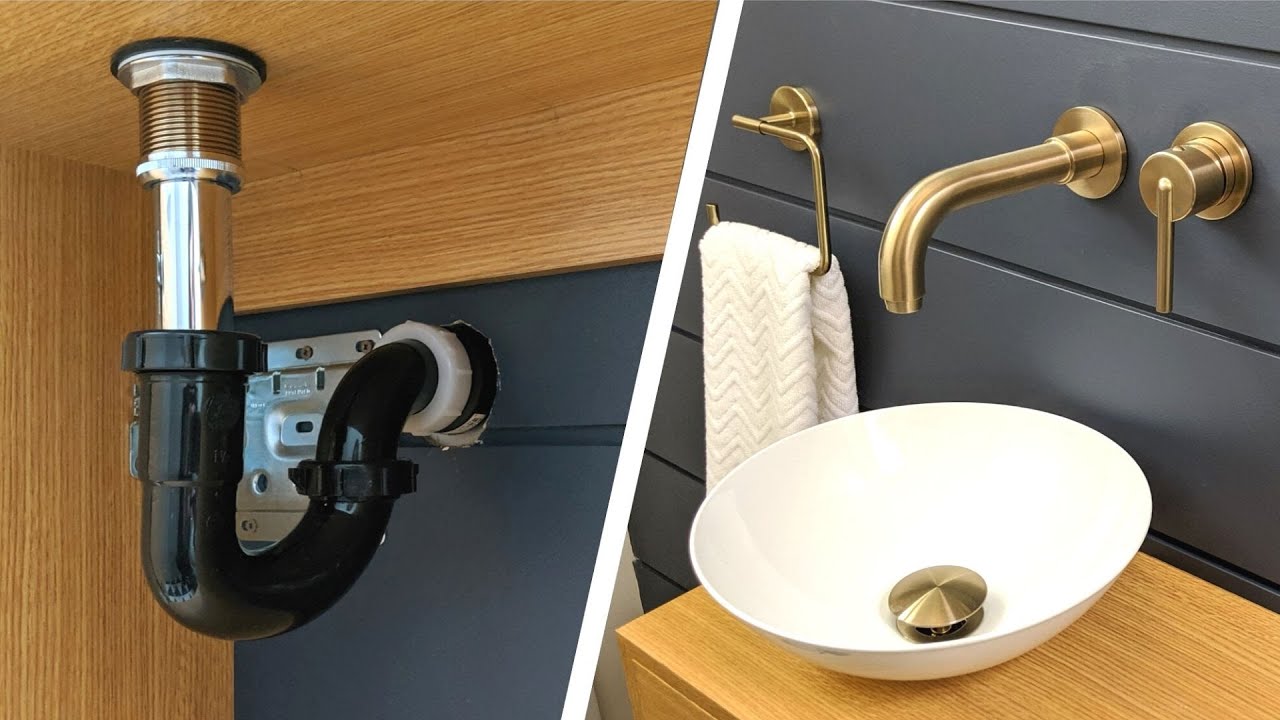
Maintaining and cleaning your bathroom sink plumbing system is crucial for ensuring its longevity and efficiency. A well-maintained plumbing system not only prevents clogs and leaks but also enhances the overall hygiene and aesthetic appeal of the bathroom. Many homeowners overlook the importance of regular maintenance, which can lead to costly repairs and replacements. By implementing a few effective strategies, you can keep your bathroom plumbing in top condition. This article provides practical tips and expert advice on how to care for your bathroom sink plumbing system.
Understanding Your Bathroom Sink Plumbing System
The bathroom sink plumbing system primarily consists of the faucet, sink bowl, P-trap, and the connecting pipes. Each component plays a vital role in ensuring the smooth flow of water and waste. Understanding the basic structure and function of these components can help in identifying and addressing issues promptly.
Regular Maintenance Tips
Regular maintenance is key to avoiding plumbing emergencies. Follow these tips to maintain your bathroom sink plumbing system effectively:
- Inspect the pipes and connections regularly for any signs of leaks or corrosion.
- Clean the aerator in the faucet to remove any debris or mineral deposits that may affect water flow.
- Ensure that the P-trap is not clogged, as it prevents sewer gases from entering the bathroom.
- Use strainers to prevent hair and other debris from clogging the drain.
- Periodically flush the pipes with hot water to clear any minor blockages.
For more tailored solutions, learn about our tailored solutions to keep your plumbing system in excellent condition.
Deep Cleaning Techniques
While regular maintenance is important, deep cleaning is essential to thoroughly clear built-up grime and prevent persistent blockages. Here are some advanced cleaning methods:
- Use a mixture of baking soda and vinegar to break down stubborn clogs. Pour baking soda down the drain, followed by vinegar, and let it sit before flushing with hot water.
- For mineral deposits, use a solution of equal parts water and white vinegar to soak components like the faucet aerator.
- Utilize a plumbing snake or auger for deeper clogs that cannot be reached by conventional methods.
Explore advanced guides and tips on deep cleaning techniques by visiting this resource.
Preventive Measures
Taking preventive measures can significantly reduce the likelihood of plumbing issues. Consider the following strategies:
- Regularly replace old and worn-out components, such as washers and seals, to prevent leaks.
- Avoid pouring grease or oil down the drain, as they can harden and cause blockages.
- Install a water softener if your area has hard water, which can lead to mineral buildup in pipes.
- Educate household members about the proper disposal of waste to prevent accidental clogs.
For further insights, discover expert strategies here on efficient plumbing maintenance.
When to Call a Professional
While many maintenance tasks can be handled independently, certain situations require professional intervention. Consider reaching out to a plumbing expert in the following scenarios:
- Persistent clogs that do not resolve with standard cleaning methods.
- Visible leaks or signs of water damage under the sink.
- Unusual noises or odors emanating from the plumbing system.
Find out more about this approach and when to seek professional help by visiting this guide.
By adhering to these maintenance and cleaning practices, homeowners can ensure their bathroom sink plumbing system functions efficiently and remains trouble-free. Regular upkeep, combined with the right preventive measures, can save time and money in the long run. For further assistance, consider exploring professional resources and services tailored to your plumbing needs.
