
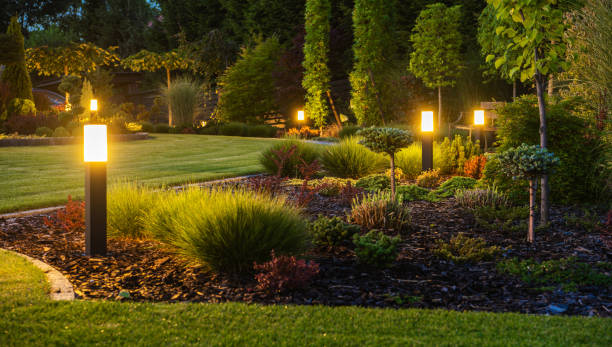
Hamilton, with its diverse climate and vibrant community, offers an ideal setting for gardening enthusiasts, both seasoned and beginners. This guide aims to provide beginners with a comprehensive overview of starting a garden in Hamilton, focusing on the essential steps and considerations to make gardening a rewarding experience. Whether it’s a small backyard plot or a balcony garden, understanding the local environment and choosing the right plants is crucial for success.
Understanding Hamilton’s Climate
The climate in Hamilton is predominantly humid continental, characterized by warm summers and cold winters. This climatic condition influences the type of plants that thrive in the region. For beginners, it’s essential to:
- Choose plants that are hardy to the local temperatures.
- Plan for seasonal changes, ensuring your garden can withstand winter frost and summer heat.
- Consider using protective structures like greenhouses or cold frames for sensitive plants.
Selecting the Right Plants
Native Plants and Their Benefits
Opting for native plants can significantly enhance the success rate of a beginner’s garden. Native plants are well-adapted to the local environment, require less maintenance, and are beneficial to local wildlife. Some popular options include:
- Eastern Redbud
- Black-eyed Susan
- Wild Columbine
For more information on gardening Hamilton and the best native plants to choose, exploring local gardening resources can be very helpful.
Choosing Plants for Different Seasons
When planning a garden, diversity is key to maintaining interest and beauty throughout the year. Consider planting a mix of:
- Spring Bloomers: Tulips, Daffodils
- Summer Stars: Coneflowers, Zinnias
- Autumn Highlights: Asters, Sedum
- Winter Interest: Evergreens, Holly
Soil Preparation and Maintenance
Testing and Amending Soil
Healthy soil is the foundation of a thriving garden. Testing your soil to determine its pH and nutrient content is a crucial first step. Based on the results, you may need to amend the soil by:
- Adding compost to improve soil structure and fertility.
- Incorporating lime to raise pH or sulfur to lower it, depending on plant needs.
Regular Maintenance Practices
Maintaining soil health involves regular practices such as:
- Mulching to retain moisture and suppress weeds.
- Rotating crops annually to prevent nutrient depletion and pest build-up.
- Implementing companion planting to naturally deter pests and enhance growth.
Watering and Irrigation
Understanding the water needs of your garden is vital, especially given Hamilton’s varied precipitation patterns. Efficient watering techniques include:
- Drip irrigation systems to minimize water wastage.
- Rainwater harvesting to collect and utilize natural precipitation.
- Watering early in the morning or late in the afternoon to reduce evaporation.
For those looking to enhance their gardening Hamilton experience, investing in a smart irrigation system can save time and resources.
Pest and Disease Management
Preventive measures are the best way to manage pests and diseases. Some effective strategies include:
- Encouraging beneficial insects like ladybugs and lacewings.
- Regularly inspecting plants for signs of disease or infestation.
- Practicing good sanitation by removing diseased plant material promptly.
Conclusion
Starting a garden in Hamilton can be a fulfilling endeavor with the right knowledge and preparation. By understanding the local climate, selecting appropriate plants, and maintaining soil and water health, beginner gardeners can create beautiful and sustainable gardens. For more detailed guidance and community support, engaging with local gardening clubs and experts can provide valuable insights and encouragement on your gardening journey.
