
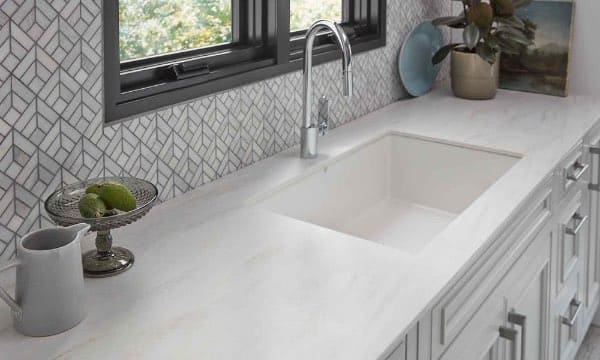
Solid surface materials have emerged as a popular choice in both residential and commercial settings due to their versatility, durability, and aesthetic appeal. These materials offer a seamless look and are available in a wide array of colors and patterns, making them suitable for various applications. From kitchen countertops to bathroom vanities, solid surface materials provide a clean and modern appearance that can enhance any space. This article delves into the versatility of solid surface materials, exploring their key features, applications, benefits, and maintenance tips.
Characteristics of Solid Surface Materials
Solid surface materials are engineered from a combination of acrylic, polyester resins, and natural minerals. This composition gives them distinct characteristics that are highly valued in interior design:
- Non-Porous Surface: The non-porous nature of solid surface materials makes them resistant to stains and bacteria, ensuring a hygienic environment.
- Seamless Appearance: Solid surfaces can be fabricated to have seamless joints, offering a smooth and continuous appearance.
- Customizable Design: Available in a wide range of colors and patterns, these materials can be customized to match any design aesthetic.
- Repairable and Renewable: Scratches and minor damages can be easily repaired, extending the material’s lifecycle.
Applications of Solid Surface Materials
Kitchen Countertops
One of the most common applications of solid surface materials is in kitchen countertops. Their durability and resistance to stains make them ideal for food preparation areas. Additionally, the seamless design helps maintain a clean and clutter-free kitchen environment. Discover expert strategies here for incorporating solid surfaces in kitchen designs.
Bathroom Vanities
In bathrooms, solid surface materials offer both functionality and style. They are resistant to moisture and easy to clean, making them perfect for vanities and sinks. The ability to create integrated sinks and backsplashes enhances the bathroom’s aesthetic appeal.
Commercial Spaces
Solid surfaces are also prevalent in commercial settings such as hospitals, hotels, and retail spaces. These materials provide durability and easy maintenance, which are crucial in high-traffic areas. Learn about our tailored solutions for using solid surfaces in commercial environments.
Benefits of Using Solid Surface Materials
Choosing solid surface materials for a project comes with several advantages:
- Hygienic: The non-porous surface prevents the growth of mold and bacteria, ensuring a sanitary environment.
- Versatile Design Options: With the ability to mimic natural stone and other materials, solid surfaces offer endless design possibilities.
- Ease of Maintenance: Simple cleaning with soap and water keeps these surfaces looking new.
- Long-Term Value: The durability and repairability of solid surfaces contribute to their long-term value and sustainability.
Maintenance Tips for Solid Surface Materials
Proper maintenance ensures that solid surface materials retain their beauty and function. Here are some maintenance tips:
- Regular Cleaning: Use mild soap and water for daily cleaning. Avoid harsh chemicals that can damage the surface.
- Preventing Scratches: Use cutting boards and trivets to protect the surface from scratches and heat damage.
- Repairing Damages: Minor scratches can be buffed out with fine sandpaper. For larger repairs, find out more about this approach to professional repair solutions.
In conclusion, the versatility of solid surface materials makes them a preferred choice for a variety of applications. Their unique properties, coupled with ease of maintenance and aesthetic flexibility, offer both practical and design benefits. For those looking to integrate solid surfaces into their projects, it is crucial to consider the specific needs and requirements of the space. Explore advanced guides and tips to make informed decisions about using solid surface materials in your next project.
