
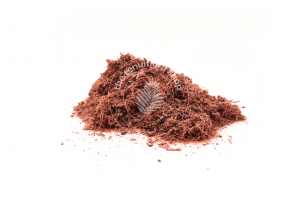
The art of dyeing with natural materials is a tradition that dates back thousands of years. Among the myriad of natural sources, bark stands out for its versatility and rich color-producing properties. As artisans seek sustainable and eco-friendly alternatives to synthetic dyes, natural dye bark is increasingly finding its place in contemporary crafts and textiles. This article delves into the myriad advantages and applications of using natural dye bark, offering insights for artisans keen on embracing nature’s palette.
Why Choose Natural Dye Bark?
Natural dye bark offers several compelling benefits that make it an attractive choice for artisans:
- Eco-Friendliness: Derived directly from nature, dye bark is biodegradable and doesn’t contribute to environmental pollution, unlike synthetic dyes.
- Unique Results: Each batch of dye can yield slightly different shades, allowing for unique and bespoke creations that are impossible to replicate with synthetic dyes.
- Health Benefits: Free from harmful chemicals, natural dyes are safer for artisans during the dyeing process and for consumers wearing dyed fabrics.
- Connection to Tradition: Using natural dye bark connects artisans to ancient practices and cultural traditions, enriching the craft with historical significance.
Applications in Art and Textiles
Natural dye bark is utilized in various artistic and textile applications, offering a versatile palette for creativity:
Textile Dyeing
Artisans employ natural dye bark to impart rich, earthy tones to fabrics. This traditional method is celebrated for its ability to produce colors that grow more beautiful with age. Textiles dyed with natural bark often exhibit a depth and complexity that are highly valued in handmade garments and accessories. Learn about our tailored solutions to achieve these exquisite results.
Artistic Creations
Beyond textiles, natural dye bark is used in various art forms, including:
- Paper Making: Infusing paper with natural dyes results in stunning stationery and art prints.
- Painting: Artists use bark-derived pigments to create natural watercolor paints, adding an organic touch to their work.
- Ceramics: Incorporating natural dye bark in glaze formulations can produce unique hues and finishes.
Explore advanced guides and tips on integrating natural dye bark into artistic projects here.
Techniques for Dye Extraction
Extracting dyes from bark is an art in itself, requiring specific techniques to maximize color yield:
Boiling Method
This traditional method involves boiling bark to release the dye into water. The intensity of the color can be adjusted by altering the concentration of the bark and the duration of boiling. Find out more about this approach to achieve vibrant results.
Fermentation
Fermentation is a method that enhances color depth and fastness. By allowing the bark to ferment before boiling, artisans can achieve more robust hues that stand the test of time.
Challenges and Considerations
Despite its benefits, working with natural dye bark presents certain challenges:
- Color Fastness: Natural dyes may fade over time, necessitating specific fixing agents to improve longevity.
- Variability: The natural variability in bark sources can lead to inconsistent results, requiring skilled artisans to achieve desired outcomes consistently.
Discover expert strategies here to overcome these challenges and enhance the durability of natural dyes.
In conclusion, natural dye bark offers endless possibilities for artisans seeking sustainable and unique dyeing solutions. By understanding its properties and applications, craftsmen and women can harness the full potential of this natural resource to create stunning, eco-friendly art and textiles. For more detailed insights and resources, explore advanced guides and tips available online.
