
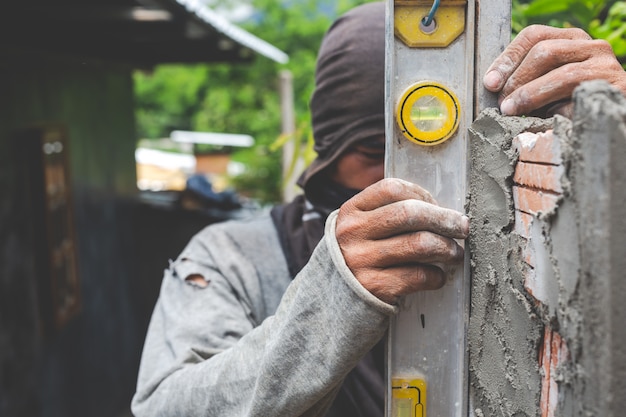
Foundation underpinning is a crucial process that ensures the stability and longevity of structures, particularly in historical cities like Rome. The city”?s unique architectural heritage and geographical challenges necessitate expert intervention to preserve its foundations. With the blend of ancient architecture and modern urban development, foundation underpinning services in Rome require a combination of traditional techniques and cutting-edge technology. This article explores the importance of these services and how they play a vital role in maintaining the integrity of buildings in this iconic city.
Understanding Foundation Underpinning
Foundation underpinning is a method used to strengthen and stabilize the foundations of existing structures. This process becomes essential when a building’s foundation is unable to support the structure safely. Common reasons for underpinning include:
- Changes in soil conditions leading to subsidence.
- Increased load requirements due to additional floors.
- Structural damage from natural disasters or environmental factors.
- Age-related wear and tear of the building.
In Rome, where many buildings are centuries old, foundation underpinning not only supports the physical structure but also preserves historical significance. Discover expert strategies here to ensure the most effective underpinning solutions are employed.
Types of Underpinning Techniques
Traditional Methods
Traditional underpinning methods often involve concrete and are labor-intensive. Techniques such as mass concrete underpinning have been used for decades, providing a solid, albeit time-consuming, solution. These methods are particularly suited to older buildings where modern machinery cannot be used without risking damage to the structure.
Modern Innovations
Advancements in technology have introduced more efficient underpinning techniques, such as:
- Mini-piled underpinning: Ideal for sites with restricted access and those requiring deep foundation support.
- Beam and base underpinning: Combines beams with a new concrete base to distribute structural loads.
- Jet grouting: Uses high-pressure jets to improve ground conditions and stabilize the foundation.
Each of these methods offers unique advantages, and choosing the right one depends on the specific needs of the building and the conditions of the site. Learn about our tailored solutions to find the most suitable approach for different scenarios.
Importance of Professional Assessment
A professional assessment is crucial before undertaking any underpinning project. This involves a thorough inspection by structural engineers to identify the underlying issues and determine the best course of action. Key aspects of a professional assessment include:
- Detailed structural analysis.
- Soil investigation to understand current conditions.
- Evaluation of historical significance and architectural integrity.
- Development of a comprehensive underpinning plan.
Such assessments ensure that the chosen underpinning method not only addresses immediate concerns but also contributes to the long-term stability of the structure. Explore advanced guides and tips for conducting thorough and effective assessments.
Benefits of Expert Underpinning Services
Employing expert underpinning services offers numerous benefits, particularly in a city like Rome. These include:
- Enhanced Structural Safety: Proper underpinning fortifies the foundation, reducing the risk of structural failure.
- Preservation of Heritage Buildings: Ensures that historical buildings maintain their integrity and value.
- Increased Property Value: A stable foundation can significantly enhance the market value of a property.
- Reduced Long-Term Costs: Prevents costly repairs by addressing foundational issues early.
Ensuring the best possible outcome requires selecting a service provider with the expertise and experience to handle the complexities of Rome’s constructions. Find out more about this approach to underpinning and how it can benefit various building types.
In conclusion, foundation underpinning is an essential service in maintaining the safety and integrity of Rome’s diverse range of buildings. By understanding the techniques, importance of assessments, and benefits, property owners can make informed decisions to safeguard their structures for the future.
