
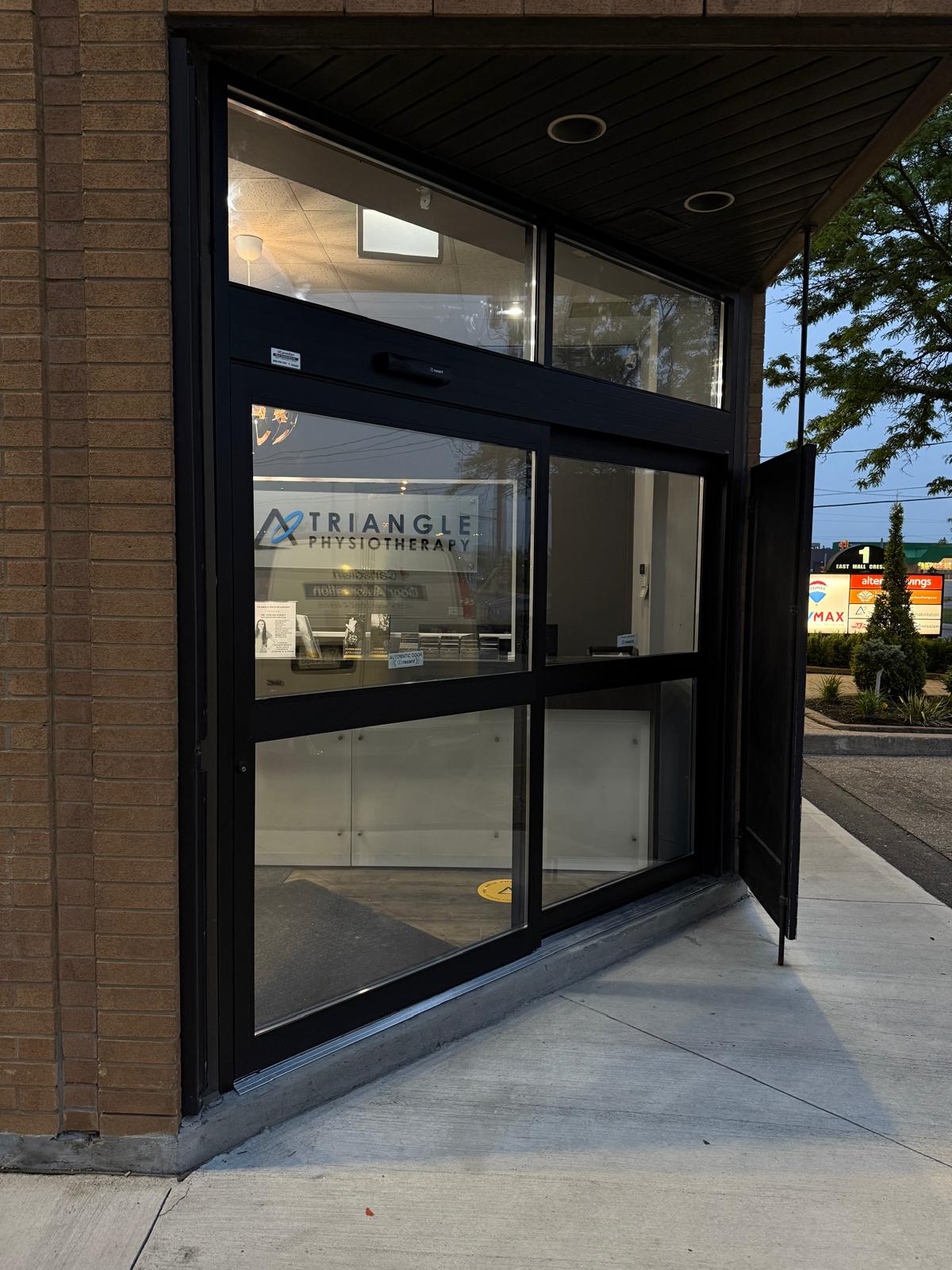
Automatic doors are a staple in modern architecture, providing convenience and accessibility in a variety of environments from commercial buildings to healthcare facilities. However, the efficiency and safety of these systems heavily rely on routine maintenance strategies. Investing in regular maintenance not only extends the lifespan of the doors but also ensures they operate safely and efficiently, minimizing risks and operational disruptions. This article explores key maintenance strategies that enhance both safety and efficiency, emphasizing the importance of a proactive approach.
Understanding the Importance of Regular Maintenance
Regular maintenance of automatic doors is crucial for several reasons:
- Safety Assurance: Regular checks can prevent accidents caused by malfunctioning doors.
- Cost Efficiency: Proactive maintenance reduces the likelihood of costly repairs or replacements.
- Compliance: Ensures compliance with safety standards and regulations.
- Operational Efficiency: Ensures that the doors function smoothly, reducing downtime.
To effectively manage these aspects, consider exploring advanced guides and tips for maintenance strategies that are both comprehensive and tailored to specific needs. Find out more about this approach to ensure your automatic doors are always in top condition.
Key Maintenance Strategies
1. Routine Inspections
Consistent inspections are the backbone of any maintenance strategy. During inspections, check for signs of wear and tear, unusual noises, and proper alignment. It’s essential to:
- Inspect door panels and hardware for any damage.
- Check sensors and safety mechanisms for functionality.
- Ensure smooth door movement without resistance or noise.
Discover expert strategies here for conducting thorough inspections.
2. Component Maintenance
Each component of an automatic door system requires individual attention. Critical components include:
- Motors and Drives: Regular lubrication and checks can prevent premature failure.
- Sensors and Safety Devices: Ensuring these are clean and calibrated can prevent accidents.
- Control Panels: Regular software updates and diagnostics checks are necessary for optimal performance.
Learn about our tailored solutions for maintaining these components efficiently here.
3. Environmental Considerations
Environmental factors can significantly affect the performance of automatic doors. Factors to consider include:
- Weather Conditions: Adjustments may be necessary for doors exposed to extreme weather.
- Location Specifics: Doors in high-traffic areas may require more frequent maintenance.
Explore advanced guides and tips to manage environmental impacts on automatic doors here.
Choosing the Right Maintenance Partner
Selecting a reliable partner for maintenance is crucial. Look for a service provider with:
- Extensive experience and expertise in automatic door systems.
- A proven track record of reliability and safety.
- Comprehensive service offerings, including emergency support.
For tailored solutions and expert guidance, explore more about professional services that can enhance the longevity and performance of your automatic doors.
In conclusion, adopting a structured maintenance strategy is vital for ensuring the safety and efficiency of automatic doors. Regular inspections, component maintenance, and considering environmental factors play a significant role in preventing failures and ensuring optimal performance. By partnering with experienced professionals, automatic doors can remain reliable and safe, offering peace of mind and uninterrupted service.
