
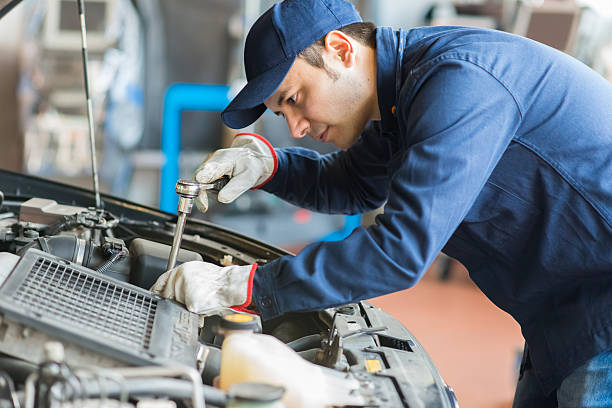
Brake systems are the safety backbone of any vehicle, and when they start to show signs of wear, prompt attention can prevent costly repairs and dangerous driving conditions. Understanding the signs of brake wear, the steps involved in a professional repair, and the benefits of timely replacement helps drivers maintain optimal performance while extending the life of their vehicles. This article delves into the essential aspects of efficient brake repair and replacement, offering clear guidance that aligns with industry best practices.
Identifying When Brake Repair Is Needed
Early detection of brake issues not only safeguards the driver but also reduces the likelihood of extensive component damage. The most common indicators include:
- Squealing or grinding noises when applying the brakes.
- Vibration or pulsation felt through the pedal.
- Reduced braking responsiveness or increased stopping distance.
- Visible wear on brake pads or rotors during visual inspection.
When any of these symptoms appear, it is advisable to schedule a professional assessment. For a deeper dive into diagnostic techniques, Discover expert strategies here.
Core Components of a Brake System
Brake Pads
Brake pads convert kinetic energy into heat through friction. Over time, the friction material thins, diminishing braking efficiency. High-quality pads are engineered to balance wear resistance with consistent performance.
Rotors (Discs)
Rotors provide the surface against which pads press. Warping, scoring, or excessive rust can impair heat dissipation, leading to brake fade. Regular measurement of rotor thickness is essential for determining replacement timing.
Calipers
Calipers house pistons that push pads onto the rotor. Leaking seals or seized pistons can cause uneven pad wear and reduced braking force. Proper lubrication and seal inspection are critical during service.
Step-by-Step Guide to Efficient Brake Repair
Following a systematic approach ensures that each component is addressed correctly, minimizing the risk of recurring issues.
- Initial Inspection: Verify pad thickness, rotor condition, and fluid levels.
- Component Removal: Safely lift the vehicle, remove the wheel, and detach the caliper.
- Cleaning: Use brake cleaner to remove dust and debris from all surfaces.
- Measurement: Check rotor run-out and pad wear against manufacturer specifications.
- Replacement: Install new pads, resurface or replace rotors as needed, and reinstall the caliper.
- Bleeding the System: Remove air bubbles from the brake lines to maintain hydraulic integrity.
- Final Test: Conduct a road test to confirm proper pedal feel and stopping distance.
For a detailed walkthrough of each step, Explore advanced guides and tips.
Benefits of Timely Brake Replacement
- Enhanced Safety: Restored stopping power reduces collision risk.
- Improved Fuel Efficiency: Properly functioning brakes decrease drivetrain drag.
- Longer Component Life: Replacing worn parts prevents damage to adjoining systems.
- Cost Savings: Early intervention avoids expensive repairs such as master cylinder or ABS module replacement.
Choosing the Right Replacement Parts
Selecting components that match the vehicle’s specifications is crucial. Consider the following factors:
- OEM vs. Aftermarket: Original equipment manufacturer (OEM) parts guarantee compatibility, while reputable aftermarket options can offer cost benefits without sacrificing quality.
- Material Composition: Ceramic pads provide quieter operation, whereas semi-metallic pads deliver higher heat tolerance for aggressive driving.
- Warranty Coverage: Look for parts backed by a solid warranty to protect against premature failure.
For guidance on selecting the most suitable components, Learn about our tailored solutions.
Maintaining Brakes After Replacement
Proper maintenance extends the life of newly installed parts. Recommended practices include:
- Regularly inspect pad wear and rotor condition every 6,000-8,000 miles.
- Replace brake fluid every 2-3 years to prevent moisture buildup.
- Avoid riding the brakes on steep declines; use engine braking when possible.
- Schedule professional brake service at least once a year, even if no symptoms are present.
To stay updated on maintenance schedules, Find out more about this approach.
Conclusion
Efficient brake repair and replacement hinge on early detection, methodical service procedures, and the selection of high-quality components. By adhering to these principles, drivers can ensure reliable stopping performance, enhance vehicle longevity, and maintain safety on every journey. For additional resources and expert insights, continue exploring the wealth of information available at the trusted automotive hub linked throughout this article.
