
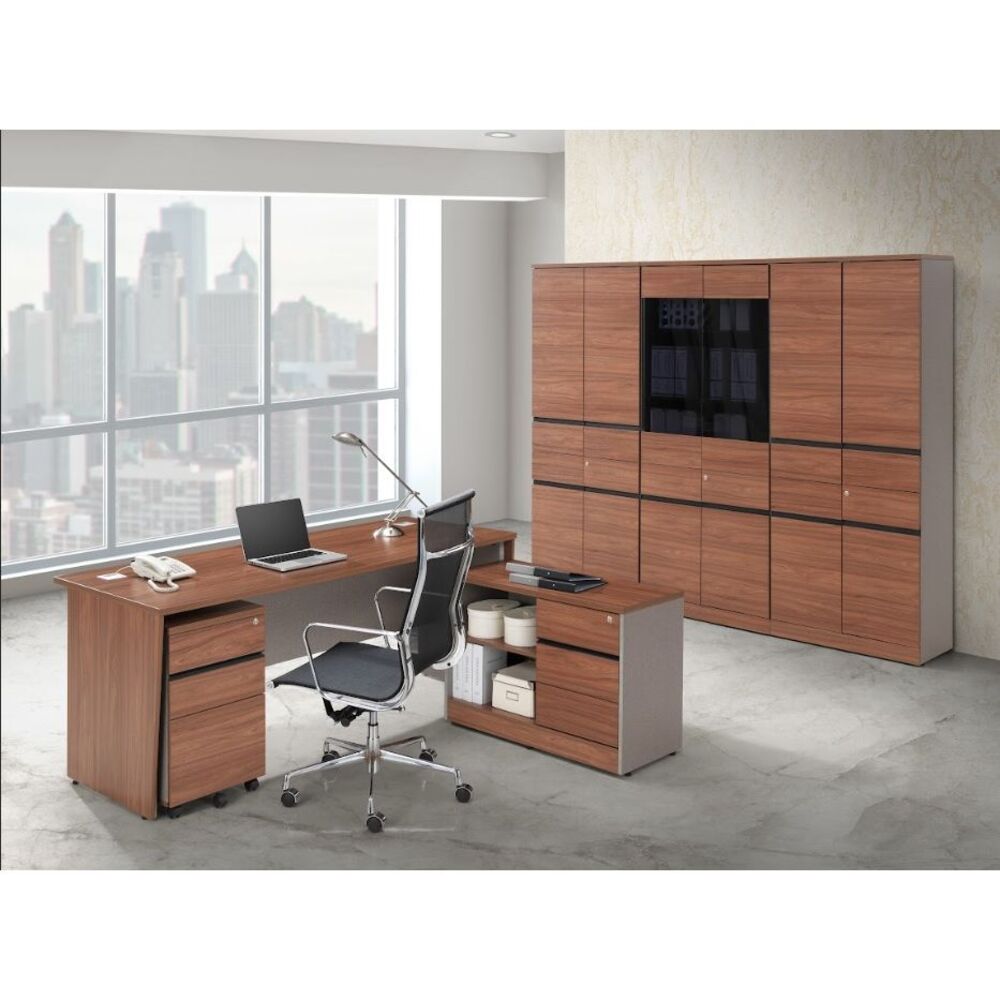
In today’s world, security and ease of access have become paramount in both personal and professional spaces. The advent of electronic cabinet locks has revolutionized the way access control systems are managed. These locks offer a seamless blend of security and convenience, making them an ideal choice for modern environments. Understanding the mechanics of electronic cabinet locks can help users make informed decisions about their security needs.
Understanding Electronic Cabinet Locks
Electronic cabinet locks are sophisticated devices designed to secure cabinets, drawers, and other storage units without the need for traditional keys. Instead, they rely on electronic mechanisms to restrict access.
Key Components
- Locking Mechanism: Utilizes solenoids or motors to engage and disengage the lock.
- Power Supply: Batteries or external power sources provide the necessary energy.
- Control Unit: The brain of the lock, often incorporating keypads, RFID readers, or biometric scanners.
How They Operate
Electronic locks function through a combination of hardware and software:
- Users input a code, scan a card, or use a biometric identifier.
- The control unit verifies the input against stored data.
- If verified, the locking mechanism is activated to allow access.
To discover expert strategies here on implementing electronic cabinet locks, delve into specialized resources that offer deeper insights.
Benefits of Electronic Cabinet Locks
These advanced locks offer numerous advantages over traditional locking systems:
- Enhanced Security: Difficult to pick or tamper with, offering robust protection.
- Convenience: Eliminates the need for physical keys, reducing the risk of loss or duplication.
- Scalability: Easily integrate with existing security systems.
For businesses and individuals looking to enhance their security infrastructure, learn about our tailored solutions for more effective management.
Applications in Different Environments
Electronic cabinet locks are versatile and can be employed in various settings:
Corporate Offices
Ideal for securing sensitive documents and equipment. They integrate seamlessly with office security systems to manage and monitor access.
Medical Facilities
Used to safeguard pharmaceuticals and patient records, ensuring access is limited to authorized personnel.
Residential Use
Homeowners use these locks for securing valuables and personal documents.
To explore advanced guides and tips on choosing the right lock for specific environments, consider consulting industry experts.
Future Trends in Electronic Lock Technology
As technology advances, electronic cabinet locks are expected to evolve with new features:
- Integration with IoT: Locks will communicate with other smart devices for enhanced security automation.
- Biometric Advances: Facial recognition and advanced fingerprint scanning will become standard.
- Enhanced Battery Life: Innovations in power efficiency will reduce maintenance needs.
To stay updated on these developments, find out more about this approach and how it can benefit your security needs.
In conclusion, electronic cabinet locks offer a sophisticated solution for security management. By understanding their workings and applications, users can effectively integrate them into their security systems, paving the way for a secure and accessible environment.
