
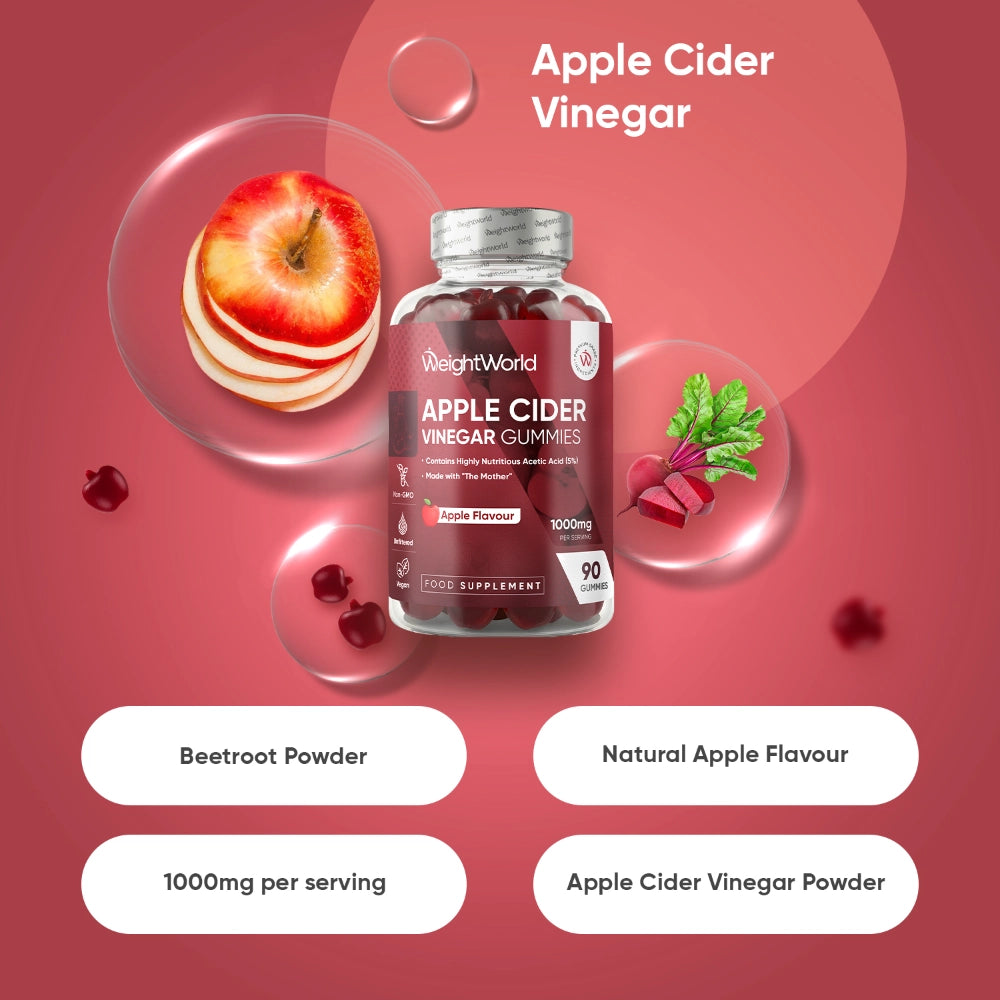
Finding a reliable appetite suppressant can be a turning point for anyone striving to manage weight responsibly. With countless products on shelves and endless claims online, distinguishing scientifically backed options from hype is essential. This guide breaks down the most effective appetite suppressants currently available, explains how they work, and highlights key considerations for safe, sustainable use.
How Appetite Suppressants Work
Appetite suppressants influence hunger signals in the brain or alter digestive processes to reduce caloric intake. The primary mechanisms include:
- Neurotransmitter modulation: Compounds such as serotonin, norepinephrine, or dopamine affect satiety centers, helping the brain register fullness sooner.
- Gastrointestinal expansion: Fiber-based or gel-forming agents increase stomach volume, creating a physical sense of fullness.
- Thermogenic activation: Some ingredients raise metabolic rate, indirectly reducing appetite by increasing energy expenditure.
Top Clinically Supported Suppressants
1. Glucomannan (Konjac Fiber)
Derived from the root of the konjac plant, glucomannan is a soluble fiber that can absorb up to 50 times its weight in water, forming a gel that slows gastric emptying.
- Typical dose: 1-3″?g before meals, mixed with water.
- Evidence: Multiple randomized trials have shown 1-2″?kg greater weight loss over 12 weeks compared to placebo.
- Safety: Generally well-tolerated; ensure adequate fluid intake to avoid choking hazards.
2. 5-HTP (5-Hydroxytryptophan)
5-HTP is a direct precursor to serotonin, a neurotransmitter linked to mood and satiety. By boosting serotonin levels, it can help curb cravings, especially for carbohydrates.
- Typical dose: 100-300″?mg daily, divided between meals.
- Evidence: Meta-analyses suggest modest reductions in appetite and caloric intake when combined with a calorie-controlled diet.
- Safety: May interact with antidepressants; consultation with a healthcare professional is advised.
3. Green Tea Extract (EGCG)
Epigallocatechin gallate (EGCG) is a catechin that promotes thermogenesis and modestly suppresses appetite through catecholamine release.
- Typical dose: 300-500″?mg EGCG per day.
- Evidence: Studies indicate a 5-10″?% reduction in daily calorie consumption and increased fat oxidation.
- Safety: High doses may cause stomach upset; limit caffeine intake if sensitive.
4. Garcinia Cambogia (Hydroxycitric Acid)
Hydroxycitric acid (HCA) is believed to inhibit the enzyme citrate lyase, reducing fat synthesis and enhancing serotonin production.
- Typical dose: 500″?mg HCA, 2-3 times daily before meals.
- Evidence: Results are mixed; some trials report modest appetite reduction, while others show no significant effect.
- Safety: Generally safe for short-term use; avoid if you have liver issues.
Choosing the Right Suppressor for Your Lifestyle
Not every product suits every individual. Consider the following factors before selecting a supplement:
- Health status: Pre-existing conditions, medications, and allergies can influence suitability.
- Desired speed of results: Fiber-based options work gradually, while neurotransmitter modulators may provide quicker appetite cues.
- Convenience: Powders, capsules, or chewables each have different usage patterns.
- Evidence base: Prioritize products backed by peer-reviewed research rather than anecdotal claims.
Integrating Suppressors with a Balanced Weight-Management Plan
Appetite suppressants are most effective when paired with sound nutrition and activity habits. Follow these guidelines to maximize benefits:
- Maintain a nutrient-dense diet: Focus on lean proteins, whole grains, and plenty of vegetables to support satiety.
- Stay hydrated: Water intake aids fiber expansion and can naturally reduce hunger pangs.
- Schedule regular meals: Consistent eating windows prevent extreme hunger that can override suppressant effects.
- Incorporate movement: Even moderate exercise boosts metabolic rate and reinforces healthy eating cues.
Where to Find Quality Products
When shopping for appetite suppressants, look for reputable retailers that provide transparent ingredient lists, third-party testing, and clear dosage instructions. Selecting a product from a trusted source helps ensure potency and safety. For a curated selection of scientifically vetted options, explore the best appetite suppressant range, which offers a variety of formulations tailored to different needs.
Potential Side Effects and Precautions
Even natural compounds can cause adverse reactions. Common issues include:
- Gastrointestinal discomfort (bloating, gas) – often mitigated by gradual dose escalation.
- Headaches or dizziness – may signal overstimulation of neurotransmitter pathways.
- Sleep disturbances – particularly with stimulatory ingredients like caffeine or synephrine.
Always start with the lowest effective dose, monitor your body’s response, and discontinue use if severe symptoms arise. Consulting a healthcare professional before beginning any supplement regimen is strongly recommended, especially for pregnant or nursing individuals, those with chronic illnesses, or anyone taking prescription medication.
Conclusion
Effective appetite suppression hinges on understanding how each ingredient works, aligning it with personal health goals, and integrating it into a comprehensive lifestyle plan. By opting for clinically supported options such as glucomannan, 5-HTP, green tea extract, or Garcinia cambogia, and pairing them with balanced nutrition and regular activity, individuals can achieve sustainable calorie control without compromising wellbeing. Remember, the most powerful tool remains consistency; supplements should complement, not replace, a thoughtful approach to health.
