
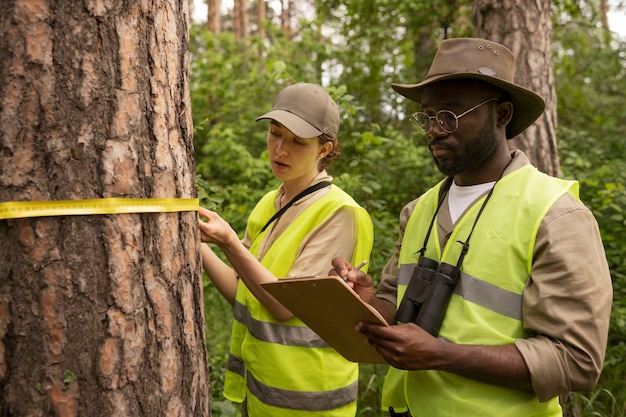
Wildlife management is an essential aspect of preserving the delicate balance of ecosystems and maintaining biodiversity. With increasing human encroachment on natural habitats, the need for professional wildlife management services has never been more critical. These services aim to mitigate human-wildlife conflicts, conserve endangered species, and ensure sustainable ecosystems through expert strategies and solutions. The effectiveness of wildlife management hinges on a comprehensive understanding of ecological principles, animal behavior, and environmental impact assessment. This article explores various aspects of wildlife management services, underscoring the importance of tailored strategies that address specific ecological challenges.
Understanding the Scope of Wildlife Management
Wildlife management encompasses a broad range of activities aimed at conserving and managing wildlife populations and their habitats. These activities can include:
- Habitat modification and restoration
- Population monitoring and control
- Endangered species protection
- Human-wildlife conflict mitigation
- Public education and awareness campaigns
Each of these activities plays a crucial role in maintaining the ecological balance and ensuring the sustainability of wildlife populations. For a deeper understanding of these strategies, discover expert strategies here.
Key Strategies in Wildlife Management
Effective wildlife management requires a strategic approach that is tailored to the specific needs of the ecosystem in question. Some of the key strategies include:
Habitat Management
Habitat management is fundamental to wildlife conservation. This involves:
- Rehabilitating degraded habitats
- Creating buffer zones to protect sensitive areas
- Enhancing habitat connectivity to facilitate wildlife movement
By focusing on habitat management, wildlife professionals can create environments that support diverse species and reduce the likelihood of human-wildlife conflicts. Learn about our tailored solutions.
Population Control
Managing wildlife populations is essential to prevent overpopulation, which can lead to habitat degradation and increased human-wildlife interactions. Techniques used include:
- Controlled hunting and culling
- Translocation of animals to balance populations
- Fertility control measures
These methods are implemented with careful consideration of ethical standards and ecological impacts. Explore advanced guides and tips.
Addressing Human-Wildlife Conflicts
Human-wildlife conflicts arise when wildlife encroaches on human activities, leading to damage to crops, property, and sometimes human safety. Strategies to mitigate these conflicts include:
- Installing barriers and deterrents
- Utilizing non-lethal deterrent methods
- Engaging communities in wildlife conservation efforts
By addressing these conflicts proactively, wildlife management services help foster coexistence between humans and wildlife. Find out more about this approach.
Conclusion
Comprehensive wildlife management services are indispensable for the conservation of biodiversity and the promotion of sustainable ecosystems. By implementing strategic solutions tailored to specific ecological challenges, wildlife professionals help ensure that wildlife and humans can coexist harmoniously. For those interested in contributing to wildlife conservation efforts, exploring professional services and expert guidance is a necessary step toward effective and informed action.
