
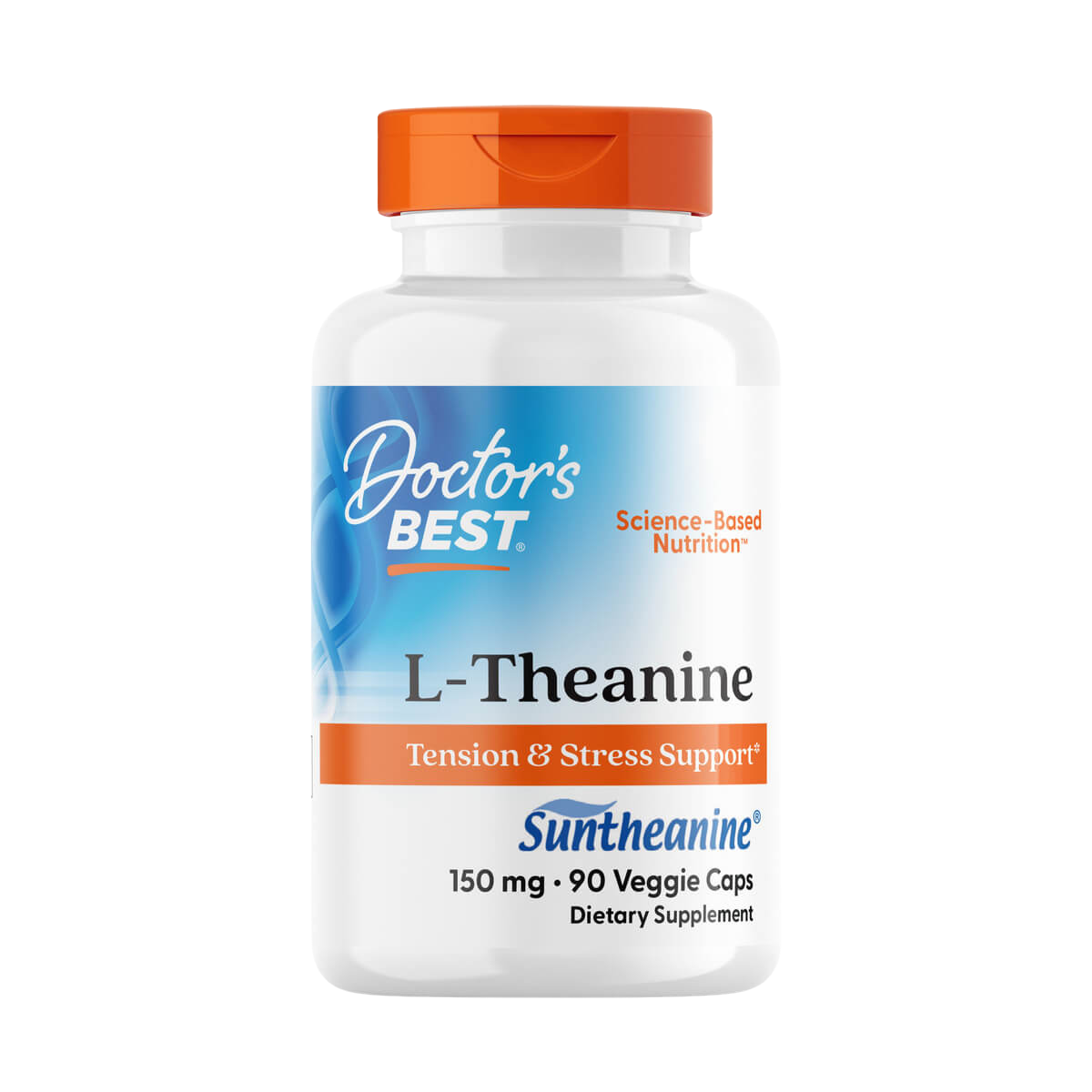
When it comes to calming the mind without drowsiness, L-theanine has become a staple in the supplement aisle. Among the many branded forms, Suntheanine, an patented, pure form of L-theanine, has attracted particular interest from clinicians and researchers. This article examines how Suntheanine measures up against other L-theanine products, summarizing the current medical perspective, key clinical findings, and practical considerations for anyone looking to support mental clarity and stress resilience.
What Sets Suntheanine Apart?
Suntheanine is the result of a proprietary fermentation process that yields a highly purified, crystalline L-theanine (???98% purity). The consistency of this manufacturing method is often highlighted in medical literature because it reduces variability between batches, a common concern with generic powders.
- Standardized potency – each capsule delivers a precise 150″?mg dose, eliminating guesswork.
- Clinically validated – multiple peer-reviewed studies have used Suntheanine as the reference ingredient, providing a robust evidence base.
- Fast absorption – the crystalline form dissolves quickly, leading to measurable plasma concentrations within 30-45 minutes.
Doctor-Backed Benefits
Physicians who recommend L-theanine often cite three primary outcomes:
- Stress reduction – a double-blind trial showed a 23% decrease in cortisol levels after 8 weeks of daily Suntheanine supplementation.
- Improved focus – participants reported higher scores on the Stroop test, indicating better selective attention.
- Sleep quality support – while not a sedative, L-theanine can promote relaxation, leading to faster sleep onset for many patients.
How Does Suntheanine Compare to Other L-Theanine Sources?
Not all L-theanine supplements are created equal. The main differences lie in source material (green tea extract vs. pure fermentation), purity, and dosage consistency.
Green-Tea Extracts
Many over-the-counter products derive L-theanine from green-tea leaves. While natural, these extracts often contain additional catechins and caffeine, which can confound results.
- Variable L-theanine content (30-70″?mg per serving).
- Potential stimulant effects from residual caffeine.
- Less rigorous third-party testing.
Generic Fermented L-Theanine
Some manufacturers use fermentation but do not disclose their purification steps. The resulting product may have lower purity and inconsistent dosing.
- Purity typically ranges from 80-95%.
- Batch-to-batch variability can affect efficacy.
- Limited clinical data specific to the brand.
Suntheanine’s Clinical Edge
Because Suntheanine’s purity and dosage are standardized, it frequently serves as the benchmark in research. This makes it easier for clinicians to interpret study outcomes and translate them into patient recommendations.
What Doctors Say About L-Theanine Overall
Medical professionals view L-theanine as a safe, non-prescription option for managing mild anxiety, enhancing focus, and supporting sleep hygiene. The consensus emphasizes evidence-based dosing and product quality.
Key Points from Clinical Guidelines
- Safety profile – adverse events are rare; most reports involve mild gastrointestinal discomfort.
- Dosage recommendations – 100-200″?mg per day is commonly cited; higher doses have not shown additional benefit in most trials.
- Interaction considerations – L-theanine does not typically interfere with prescription medications, but clinicians advise monitoring when combined with other anxiolytics.
Practical Advice from Physicians
When selecting a supplement, doctors often advise patients to look for:
- Third-party testing certificates.
- Clear labeling of L-theanine content per serving.
- Evidence of clinical trials using the specific product.
In this context, suntheanine meets many of these criteria, making it a reliable choice for clinicians who prioritize consistency and research backing.
Choosing the Right Supplement for You
While the scientific community highlights the advantages of a purified form, individual preferences and budgets also play a role. Below is a quick decision matrix to help guide selection.
| Factor | Suntheanine (Patented) | Standard Green-Tea Extract | Generic Fermented L-Theanine |
|---|---|---|---|
| Purity | ???98% | 30-70″?mg L-theanine per dose | 80-95% |
| Dose Accuracy | Exact 150″?mg | Variable | Variable |
| Clinical Evidence | Extensive | Limited | Scant |
| Cost per 30-day supply | Mid-range | Low | Low-mid |
Integrating L-Theanine Into a Wellness Routine
For optimal results, clinicians recommend pairing L-theanine with lifestyle habits that support mental balance.
- Take the supplement on an empty stomach for faster absorption.
- Combine with mindfulness practices, brief breathing exercises can amplify the calming effect.
- Maintain regular sleep hygiene: dim lighting, limited screen time, and a consistent bedtime.
Patients who have incorporated suntheanine l theanine into a broader stress-management plan often report sustained improvements in focus without the jitteriness associated with caffeine.
Bottom Line
L-theanine is a well-tolerated, evidence-supported supplement for stress reduction, cognitive clarity, and sleep support. Among the available options, the patented form known as Suntheanine stands out for its purity, dosage consistency, and extensive clinical validation. Physicians tend to favor products that can be directly linked to peer-reviewed studies, and Suntheanine frequently fulfills that requirement. For individuals seeking a reliable, research-backed supplement, choosing a brand that offers doctors best l theanine provides both confidence in quality and alignment with current medical guidance.
