
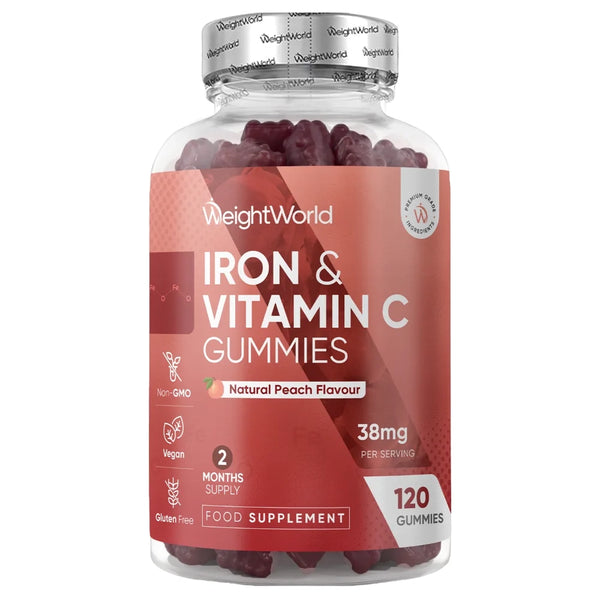
Vitamin C is an essential nutrient that plays a critical role in maintaining a healthy immune system, promoting skin health, and aiding in the absorption of iron. With a plethora of vitamin C supplements available on the market, selecting the right one can be a daunting task. This guide aims to simplify your decision-making process by highlighting key factors to consider when choosing a vitamin C supplement that best suits your needs and lifestyle.
Understanding the Different Forms of Vitamin C
Vitamin C supplements come in various forms, each with unique characteristics and benefits. Understanding these differences can help make an informed choice.
Ascorbic Acid
Ascorbic acid is the most common and widely studied form of vitamin C. It is known for:
- High bioavailability
- Cost-effectiveness
- Versatility in use, ranging from tablets to powders
Sodium Ascorbate
Sodium ascorbate is a buffered form of vitamin C that is less acidic, making it gentler on the stomach. It is beneficial for:
- Individuals with sensitive stomachs
- Those requiring a neutral pH form of vitamin C
Calcium Ascorbate
This form combines vitamin C with calcium, offering a dual benefit. It is ideal for:
- Enhancing bone health while providing vitamin C
- Reducing acidity, similar to sodium ascorbate
Factors to Consider When Choosing a Vitamin C Supplement
Selecting the right vitamin C supplement involves evaluating several critical factors:
Bioavailability
The bioavailability of a supplement refers to how well it is absorbed and utilized by the body. Higher bioavailability ensures that you receive the maximum benefit from your supplement. Explore advanced guides and tips on bioavailability to make an educated choice.
Dosage
The recommended dietary allowance (RDA) for vitamin C varies depending on age, sex, and health status. It is crucial to choose a supplement that provides an appropriate dosage to meet your daily needs without exceeding the upper limit. Find out more about this approach to ensure safe and effective supplementation.
Additional Ingredients
Some vitamin C supplements are fortified with additional nutrients such as bioflavonoids, which enhance absorption, or zinc, which complements immune support. When selecting a product, consider whether these added ingredients align with your health goals. Discover expert strategies here to identify the right combination for optimal health.
Quality and Certification
Ensuring the quality and safety of a supplement is paramount. Look for products that are:
- Third-party tested for purity and potency
- Free from artificial additives and allergens
- Certified by reputable organizations
Learn about our tailored solutions to guarantee you are purchasing a product that meets high standards.
Conclusion
Choosing the right vitamin C supplement involves understanding the different forms, evaluating key factors like bioavailability and dosage, and ensuring quality and certification. By considering these elements, you can select a supplement that enhances your overall health and well-being. For further insights and detailed information, explore advanced guides and tips to make the best decision tailored to your needs.
