
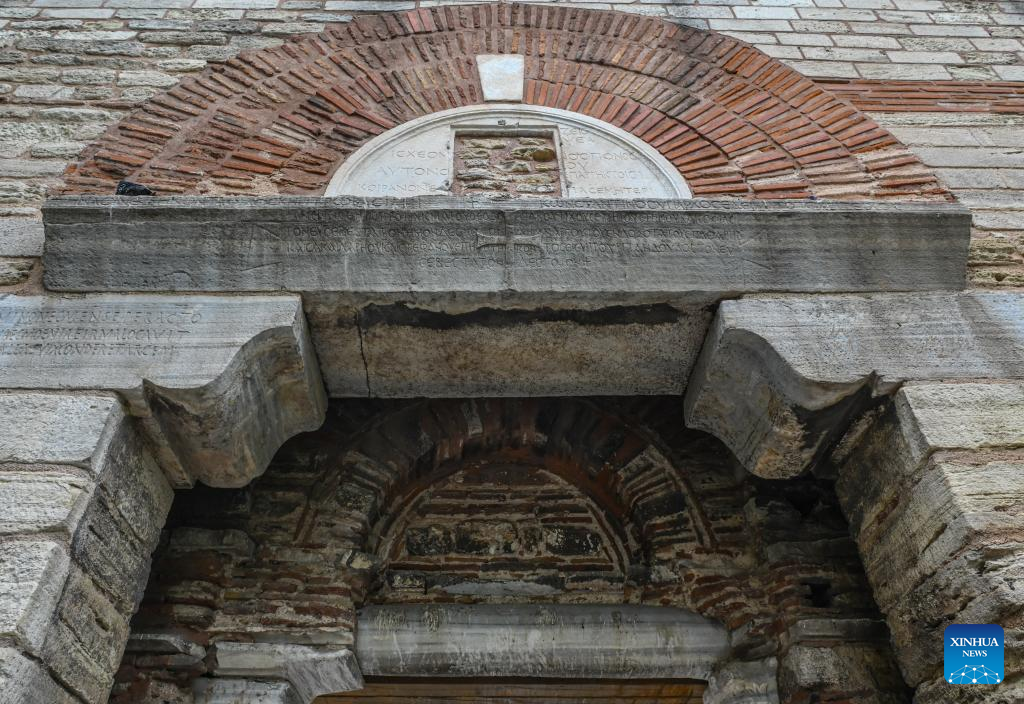
The art of heritage restoration holds the key to preserving our cultural identity and architectural legacy. As time progresses, historical structures face deterioration due to natural forces, pollution, and human interference. The delicate task of restoring these structures demands a combination of scientific precision and artistic sensitivity. This process not only revives the physical appearance of heritage sites but also ensures their structural integrity and historical significance for future generations to appreciate. Understanding the intricate balance between preserving authenticity and incorporating modern technology is crucial in this multifaceted field.
The Importance of Heritage Restoration
Heritage restoration plays a vital role in maintaining the cultural fabric of societies. It serves multiple purposes, including:
- Preserving historical narratives and architectural styles for educational purposes.
- Enhancing cultural tourism, which contributes to the local economy.
- Fostering a sense of identity and community pride.
Through meticulous methodologies, restoration experts breathe new life into monuments, ensuring they remain as beacons of history and culture. Discover expert strategies here to understand the depth of this commitment.
Challenges in Restoration
Restoration projects are not without their challenges. The following are some of the significant hurdles faced by professionals:
Material Degradation
Over time, building materials such as stone, wood, and metal can degrade, leading to structural weaknesses. The identification of appropriate restoration materials that match the original in terms of composition and appearance is crucial. Learn about our tailored solutions to address these challenges effectively.
Technological Integration
Integrating modern technology into the restoration process can be challenging. However, advancements such as laser scanning, 3D printing, and digital modeling offer significant advantages. These technologies allow for precise measurements and reconstructions, minimizing the risk of error. Professionals must balance technological integration while maintaining the authenticity of heritage sites.
Approaches to Effective Restoration
Effective heritage restoration requires a strategic approach that considers both the past and the future. Here are some key strategies:
- Comprehensive Research: Understanding the historical context and architectural significance of a structure is essential. This involves archival research, material analysis, and consultation with historians.
- Conservation Ethics: Adhering to international conservation standards, such as those set by UNESCO, ensures that restoration practices are ethical and sustainable.
- Community Involvement: Engaging local communities in the restoration process fosters a sense of ownership and ensures that the restored site remains relevant and accessible.
For those looking to delve deeper into professional methodologies, explore advanced guides and tips that outline the best practices in the field.
The Future of Heritage Restoration
As the field of heritage restoration continues to evolve, the integration of innovative methods and sustainable practices will become increasingly important. Professionals are focusing on:
- Developing eco-friendly materials and techniques to minimize environmental impact.
- Utilizing data-driven insights for predictive maintenance and conservation planning.
- Embracing digital technologies for documenting and sharing restoration processes globally.
By staying ahead of these trends, restoration experts ensure that heritage sites not only survive but thrive. Find out more about this approach to see how these trends are shaping the future of restoration.
In conclusion, the art of heritage restoration is a dynamic field that bridges history with modernity. Through careful planning and execution, restoration experts preserve cultural legacies for future generations to cherish. This ongoing commitment to safeguarding our architectural heritage demonstrates the importance of nurturing our past while embracing the innovations of the future.
