
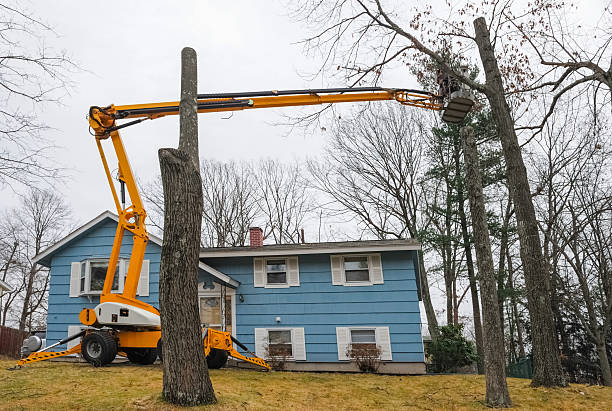
The removal of large trees, especially in urban or residential settings, can be a daunting task. Traditional methods often involve manual labor, climbing, and cutting, which can pose significant risks and challenges. However, the advancement in technology has introduced crane-assisted tree removal, a method that is increasingly gaining popularity due to its efficiency and safety. This modern approach is particularly beneficial in areas where space is limited or when dealing with large, heavy trees. By utilizing cranes, professionals can ensure that tree removal is done swiftly and with minimal disruption to the surrounding environment.
Enhanced Safety
One of the primary benefits of crane assisted tree removal is the enhanced safety it offers. Traditional tree removal methods often require workers to climb trees, which can be hazardous. In contrast, cranes allow for the safe removal of trees without the need for climbing, reducing the risk of accidents and injuries. The crane can precisely lift heavy tree sections, ensuring that the surrounding areas remain undisturbed and safe.
Efficiency and Time-Saving
The efficiency of crane tree removal is unmatched. Compared to manual methods, using a crane significantly reduces the time required to remove a tree. This is particularly advantageous in emergency situations, such as storm damage, where quick removal is necessary to prevent further harm. With crane tree removal, each section of the tree can be detached and moved efficiently, allowing for faster project completion.
Minimal Impact on Surroundings
Crane-assisted tree removal is designed to minimize the impact on the surrounding landscape. This method is ideal for urban environments where space is limited, and the tree is in close proximity to buildings or other structures. The precision of crane operations ensures that the tree is dismantled and removed without causing damage to the surrounding area. This approach not only protects property but also preserves the aesthetic of the location.
Preservation of Landscaping
Traditional tree removal methods can often damage lawns, gardens, and other landscaping elements. In contrast, tree removal with a crane involves lifting tree sections over these areas, thereby preserving the integrity of the landscape. This is particularly beneficial in residential areas where homeowners have invested in landscaping and garden aesthetics.
Accessibility in Challenging Locations
Certain trees may be located in areas that are difficult to access with traditional equipment. Crane tree service provides a solution by offering the ability to reach trees located in hard-to-access areas. This includes trees in backyards with limited access, near power lines, or adjacent to structures. The reach and flexibility of cranes make it possible to safely and effectively remove trees from challenging locations.
Cost-Effectiveness
While the initial cost of crane usage might seem higher than traditional methods, crane tree removal near me can be more cost-effective in the long run. The speed and efficiency of the process reduce labor costs and minimize the potential for property damage, which can result in additional expenses. Moreover, the reduced time on-site translates to lower overall costs for clients.
Environmental Considerations
Crane-assisted tree removal can be an environmentally friendly choice. The precision of crane operations reduces the need for heavy machinery on the ground, which can cause soil compaction and other environmental disturbances. Additionally, this method allows for the careful dismantling of trees, making it easier to recycle the wood or dispose of it in an environmentally responsible manner.
In conclusion, crane tree removal Wilmington offers numerous advantages that make it an attractive option for both residential and commercial projects. The combination of safety, efficiency, and minimal environmental impact underscores the growing preference for this modern tree removal technique. By choosing crane-assisted methods, property owners can ensure a smooth, effective, and responsible approach to managing their tree removal needs.
