
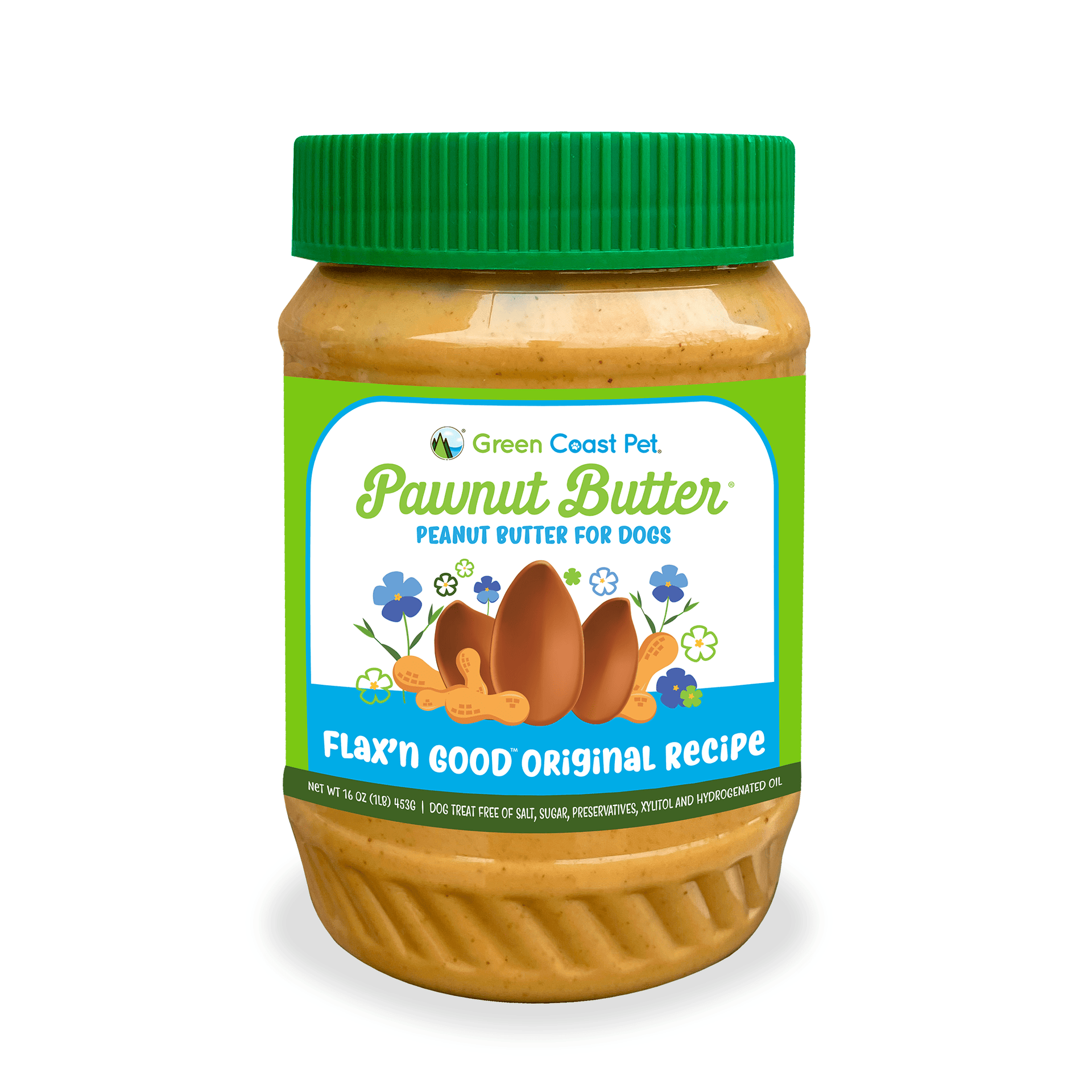
Peanut butter is a popular treat among dog owners, known for its appealing taste and creamy texture that dogs adore. However, not all peanut butter is suitable for canine consumption. Understanding the dos and don’ts of feeding dogs peanut butter can help pet owners make informed decisions that ensure the health and happiness of their furry companions. This article explores essential guidelines for safely incorporating this treat into a dog’s diet.
Choosing the Right Peanut Butter
Read the Ingredients
When selecting peanut butter for dogs, it is crucial to check the label for harmful ingredients. Some key points to consider include:
- Avoid xylitol – This artificial sweetener is toxic to dogs and can lead to severe health issues.
- Look for dog friendly peanut butter with no added sugars or salt.
- Opt for natural or organic varieties to minimize exposure to artificial additives.
Consider the Nutritional Value
While peanut butter is high in protein and healthy fats, moderation is key to preventing obesity and other health problems. Consider these factors:
- Choose puppy safe peanut butter that aligns with a dog’s dietary needs.
- Balance peanut butter intake with other healthy treats and regular meals.
Feeding Guidelines
Portion Control
Feeding dogs peanut butter in appropriate amounts is vital. It’s easy to overindulge, but remember that moderation helps maintain a balanced diet:
- Limit the amount to a small teaspoon for small dogs and up to a tablespoon for larger breeds.
- Consider the dog’s overall caloric intake to prevent weight gain.
Introducing Peanut Butter
Introducing peanut butter to a dog’s diet should be done gradually to monitor any adverse reactions:
- Start with a small amount and observe the dog for any signs of allergies or digestive issues.
- Consult a veterinarian if there are any concerns regarding allergic reactions.
Creative Ways to Serve Peanut Butter
Treat Time
Peanut butter can be more than just a treat; it can also be an enrichment tool that provides mental stimulation:
- Use a Kong toy or similar item to stuff peanut butter for prolonged enjoyment.
- Freeze dogs butter peanut butter inside toys for a refreshing treat during warmer months.
Baking Homemade Dog Treats
For those who enjoy baking, incorporating peanut butter into homemade dog treats is a rewarding way to provide a healthy snack:
- Combine peanut butter with oats, banana, and other dog-safe ingredients for nutritious treats.
- Consider recipes that include dogs butter peanut butter for added flavor and nutrition.
Potential Risks and Precautions
Allergies and Intolerances
Not all dogs tolerate peanut butter well. It’s essential to be aware of potential allergic reactions:
- Monitor for symptoms such as itching, swelling, or difficulty breathing after consuming peanut butter.
- If any adverse reactions occur, discontinue use immediately and consult a veterinarian.
Obesity and Health Concerns
Although peanut butter is nutritious, excessive consumption can lead to health issues:
- Regularly monitor the dog’s weight and adjust the diet as needed.
- Ensure physical activity to balance any additional calorie intake from treats.
In conclusion, while peanut butter can be a delightful treat for dogs, it requires careful selection and moderation. By understanding how to choose and serve dog friendly peanut butter, pet owners can ensure their furry friends enjoy this tasty snack safely and healthily. Always consult a veterinarian for any concerns specific to a dog’s dietary needs and health conditions.
