
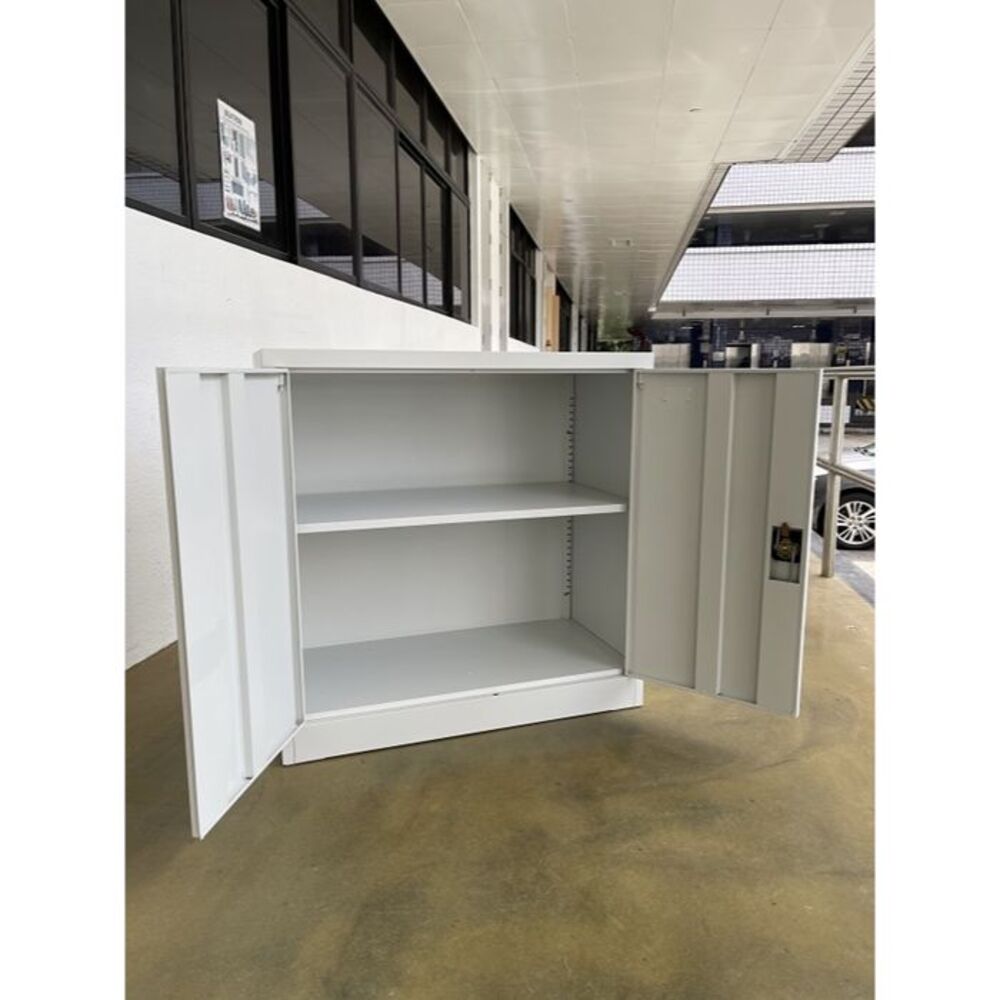
Metal filing cabinets are a staple in many workplaces and home offices, offering a reliable and durable solution for organizing documents. Over the years, these cabinets have evolved in design and functionality, adapting to the needs of modern storage requirements. They not only ensure that important documents are easily accessible but also provide security and protection against unauthorized access and environmental damage. In this guide, we will delve into the various aspects of metal filing cabinets, exploring their types, benefits, and how to choose the right one for your needs.
Types of Metal Filing Cabinets
Metal filing cabinets come in several types, each catering to different organizational needs and office setups. Here are the most common types:
- Vertical Filing Cabinets: These are the traditional filing cabinets, characterized by drawers that extend from the short side of the cabinet. They are ideal for offices with limited space as they take up less floor space.
- Lateral Filing Cabinets: Offering wider drawers, lateral cabinets are perfect for storing documents of different sizes. They are typically used in offices that require easy access to large volumes of files.
- Mobile Filing Cabinets: Designed for flexibility, these cabinets come with wheels, allowing for easy mobility around the office. They are great for dynamic workspaces that require frequent reorganization.
- Flat File Cabinets: Specifically designed for storing large documents like blueprints and maps, these cabinets offer wide, shallow drawers.
Read more about this topic to explore the diverse range of metal filing cabinets and their applications.
Benefits of Metal Filing Cabinets
Understanding the benefits of metal filing cabinets can help in making an informed decision when selecting the appropriate storage solution:
- Durability: Made from robust materials, metal filing cabinets are built to withstand wear and tear, making them a long-lasting investment.
- Security: Many metal cabinets come equipped with locking systems to ensure sensitive documents are kept secure.
- Fire Resistance: Metal cabinets offer a degree of fire resistance, providing protection against potential fire hazards.
- Customizability: With a variety of sizes, styles, and finishes available, metal filing cabinets can be customized to fit specific aesthetic and functional needs.
Learn more in this detailed guide about the advantages of using metal filing cabinets in different settings.
Choosing the Right Metal Filing Cabinet
Considerations for Selection
When selecting a metal filing cabinet, consider the following factors to ensure it meets your organizational needs:
- Space Availability: Measure the available space in your office to ensure the cabinet fits comfortably without obstructing movement.
- Storage Needs: Assess the volume and type of documents you need to store to determine the appropriate cabinet size and type.
- Security Features: Evaluate the necessity for locking mechanisms based on the sensitivity of the documents.
- Budget: Set a budget that aligns with your needs and explore options that offer the best value for money.
Explore further insights here to assist in making an informed purchase decision.
Maintaining Your Metal Filing Cabinet
Proper maintenance extends the life of metal filing cabinets and ensures they operate smoothly:
- Regular Cleaning: Dust and clean the surfaces regularly to prevent buildup and maintain a professional appearance.
- Lubrication: Periodically lubricate the drawer slides to ensure smooth operation.
- Inspection: Check for any signs of wear or damage, particularly around the locks and handles, and address issues promptly.
Find additional information here on how to care for your metal filing cabinets effectively.
In conclusion, metal filing cabinets are an essential component of organized and efficient workspaces. By understanding their types, benefits, and maintenance needs, users can ensure they select the right cabinet to meet their specific requirements.
