
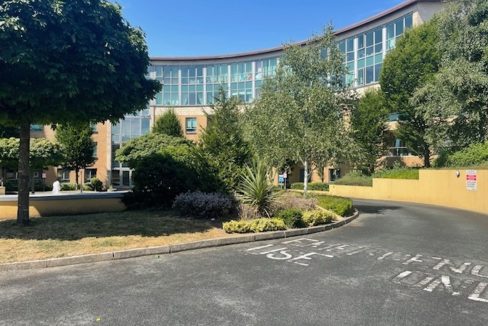
Residential lettings management can be a complex task, demanding a keen understanding of the housing market, tenant relations, and legal obligations. With the right approach, property managers can ensure that they maximize returns while maintaining a harmonious relationship with tenants. This article outlines expert tips for effective management of residential lettings, guiding property managers through best practices and innovative strategies to enhance their operations.
Understanding the Market
Knowledge of the residential letting and management market is crucial for success. This involves understanding current trends, rental rates, and tenant preferences. Regularly analyzing market data helps in setting competitive rental prices and attracting high-quality tenants.
Market Research Tips
- Conduct regular comparative market analysis to stay ahead of competitors.
- Monitor local and national housing trends to anticipate changes and adjust strategies accordingly.
- Engage with industry forums and publications to gather insights from other residential letting agents.
Effective Tenant Screening
A thorough tenant screening process is essential to ensure reliable and responsible tenants. This reduces the risk of late payments, property damage, and legal disputes.
Steps for Tenant Screening
- Perform credit checks to assess financial stability.
- Verify employment and income to ensure the tenant can afford the rent.
- Seek references from previous landlords to understand the tenant?s rental history.
- Conduct background checks to identify any criminal history.
Legal Compliance
Adhering to legal obligations is non-negotiable in residential lettings. Understanding and complying with property laws and regulations protect both property managers and tenants.
Key Legal Considerations
- Stay updated with changes in housing laws and regulations.
- Ensure all necessary licenses and permits are obtained.
- Maintain detailed records of all transactions and communications with tenants.
- Draft clear and comprehensive lease agreements to avoid disputes.
Maintaining Property Condition
Regular maintenance and prompt repairs are vital for preserving property value and ensuring tenant satisfaction. A well-maintained property attracts and retains quality tenants.
Maintenance Best Practices
- Schedule routine inspections to identify and address potential issues early.
- Implement a responsive repair system to handle tenant requests swiftly.
- Invest in quality materials and skilled labor to ensure long-term property upkeep.
Effective Communication
Strong communication skills are essential for managing tenant relationships and resolving conflicts. Open and respectful communication fosters trust and cooperation.
Communication Strategies
- Set clear expectations from the beginning of the tenancy.
- Maintain regular contact through preferred channels, such as email or messaging apps.
- Be transparent about any changes or updates affecting the tenancy.
- Listen actively to tenant concerns and address them promptly.
Utilizing Technology
Leveraging technology can streamline operations and improve efficiency in residential lettings management. From property management software to virtual tours, technology offers numerous benefits.
Technological Tools
- Use property management software to automate rent collection and maintenance scheduling.
- Offer virtual tours to attract potential tenants and reduce the need for physical viewings.
- Implement digital communication tools for seamless interaction with tenants.
In conclusion, successful residential lettings management requires a blend of market knowledge, effective tenant screening, legal compliance, and the use of modern technology. By implementing these expert tips, property managers can enhance their operations, ensure tenant satisfaction, and achieve long-term success in the competitive real estate market.
