
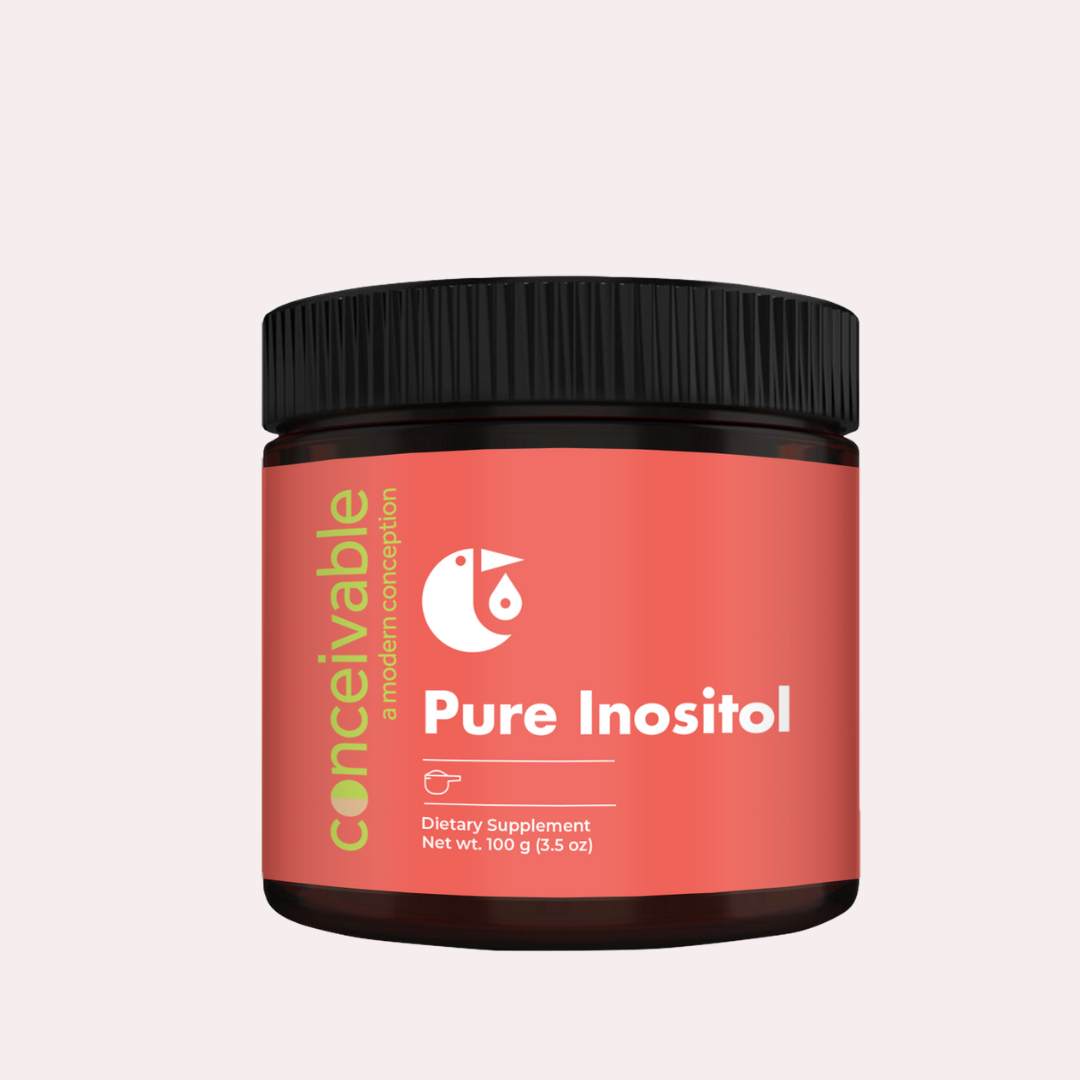
In today’s health-conscious world, individuals are constantly seeking natural supplements that can enhance their overall well-being. One such compound that has gained significant attention is pure inositol. Known for its potential benefits in addressing various health concerns, inositol is a naturally occurring substance found in many foods and is a part of the vitamin B complex. This guide aims to unravel the potential of pure inositol, providing a comprehensive overview of its uses, benefits, and considerations.
What is Inositol?
Inositol, often referred to as vitamin B8, plays a crucial role in the body?s cellular processes. Though it is not technically a vitamin, it is a carbohydrate that is structurally similar to glucose. Inositol is present in various forms, with myo-inositol and D-chiro-inositol being the most prevalent in nature.
Health Benefits of Inositol
Mental Health Support
Inositol is renowned for its potential benefits in supporting mental health. It has been studied for its ability to improve symptoms associated with mental health disorders such as:
- Anxiety
- Depression
- Obsessive-Compulsive Disorder (OCD)
Research suggests that inositol may work by affecting the neurotransmitters in the brain, providing a natural support mechanism for mental health.
Hormonal Balance
Inositol is particularly beneficial for women dealing with hormonal imbalances. It has shown promise in managing conditions such as Polycystic Ovary Syndrome (PCOS). The compound helps in:
- Regulating menstrual cycles
- Improving ovulation frequency
- Enhancing fertility
For those seeking a natural approach to manage these conditions, conceivable pure inositol might offer a viable solution.
Metabolic Health
Inositol has been linked to improved metabolic health, potentially supporting individuals with insulin resistance or metabolic syndrome. Benefits include:
- Enhancing insulin sensitivity
- Reducing blood sugar levels
- Supporting weight management
How to Incorporate Inositol into Your Routine
Dietary Sources
While supplements are a popular way to consume inositol, it can also be found in various foods, including:
- Citrus fruits
- Beans
- Whole grains
- Nuts
Supplementation
For individuals looking to achieve a higher intake of inositol, supplements are available in various forms, including powder and capsules. It is advisable to consult with a healthcare professional to determine the appropriate dosage based on individual health needs. The premium inositol powder offers a convenient way to integrate this compound into daily life.
Considerations and Potential Side Effects
While inositol is generally considered safe, it is essential to be aware of potential side effects. Some individuals may experience:
- Stomach upset
- Nausea
- Fatigue
These side effects are typically mild and can be managed by adjusting the dosage. Nonetheless, it is crucial to consult with a healthcare provider before starting any new supplement regimen.
Conclusion
Inositol holds significant promise in promoting mental, hormonal, and metabolic health. As research continues to unveil its potential, inositol remains a valuable addition to a holistic health approach. Whether obtained through diet or supplementation, individuals can benefit from understanding and utilizing this versatile compound. For those considering supplementation, exploring options such as the conceivable pure inositol could be a step towards achieving optimal health.
