
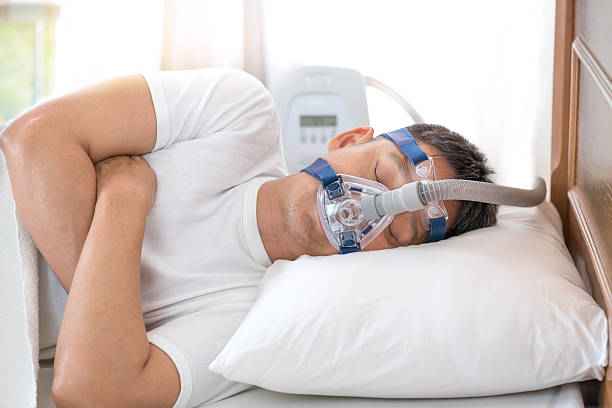
Snoring is a common problem that affects millions of people worldwide. While it might seem harmless, chronic snoring can be a sign of a more serious condition known as sleep apnea. This condition not only disrupts the sleep of the person who snores but can also disturb their partner?s sleep. Sleep apnea is characterized by repeated interruptions in breathing during sleep, leading to poor sleep quality and daytime fatigue. Fortunately, effective treatments are available that can significantly reduce or even eliminate snoring caused by sleep apnea, improving quality of life and overall health.
Understanding Sleep Apnea
Sleep apnea is a sleep disorder that occurs when a person’s breathing is interrupted during sleep. These interruptions can last from a few seconds to a minute and can occur multiple times throughout the night. There are three main types of sleep apnea:
- Obstructive Sleep Apnea (OSA): The most common form, caused by a blockage in the airway, usually when the soft tissue in the back of the throat collapses during sleep.
- Central Sleep Apnea: Occurs when the brain fails to signal the muscles to breathe due to instability in the respiratory control center.
- Complex Sleep Apnea Syndrome: Known as treatment-emergent central sleep apnea, it is a combination of both obstructive and central sleep apnea.
Common Symptoms of Sleep Apnea
Recognizing the symptoms of sleep apnea is crucial for seeking timely treatment for sleep apnea. Some common symptoms include:
- Loud snoring, which is often more prominent in obstructive sleep apnea.
- Episodes of breathing cessation during sleep, witnessed by another person.
- Sudden awakenings with gasping or choking.
- Morning headaches and dry mouth.
- Excessive daytime sleepiness and lack of attention.
Effective Treatments for Sleep Apnea
1. Lifestyle Changes
Simple lifestyle modifications can sometimes be very effective in managing mild sleep apnea. These include:
- Maintaining a healthy weight to reduce the pressure on the airway.
- Avoiding alcohol and sleep-inducing medications that relax the throat muscles.
- Sleeping on the side instead of the back to prevent airway blockage.
For those seeking sleep apnea treatment worcester ma, it?s recommended to consult with a healthcare professional to develop a personalized plan.
2. Continuous Positive Airway Pressure (CPAP)
CPAP therapy is considered one of the most effective treatment for snoring and sleep apnea. It involves wearing a mask over the nose, or nose and mouth, while sleeping. The mask is connected to a machine that delivers continuous air pressure to keep the airways open.
3. Oral Appliances
For individuals who cannot tolerate CPAP, oral appliances might be a viable option. These devices are custom-fitted by dental professionals to help keep the throat open by repositioning the jaw or tongue.
4. Surgical Options
Surgery is typically considered when other treatments are ineffective. Surgical options can include removing excess tissue from the throat, repositioning the jaw, or implanting devices to stimulate the airway muscles.
For those searching for apnea treatment near me, it’s essential to explore all available options and consult with a specialist to determine the most appropriate treatment.
Conclusion
Addressing snoring and sleep apnea is crucial for maintaining optimal health and well-being. With a variety of treatment for sleep apnea options available, individuals can find effective solutions tailored to their needs. Early diagnosis and intervention can significantly improve sleep quality and reduce the risk of complications associated with untreated sleep apnea.
