
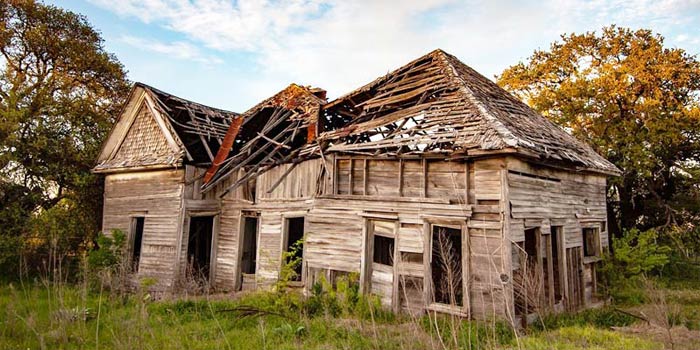
Abandoned properties often present a unique opportunity for real estate investors and sellers. These properties, left unattended or neglected, can seem like eyesores at first glance. However, with the right approach, they can be transformed into profitable ventures. Selling abandoned properties can be a lucrative endeavor if navigated correctly, considering the legal, financial, and market aspects. This article aims to guide prospective sellers through the process, ensuring they make informed decisions and maximize their returns.
Understanding Abandoned Properties
Before diving into the sale process, it’s essential to understand what constitutes an abandoned property. Typically, these properties have been deserted by the owner for various reasons, such as financial difficulties, relocation, or legal issues. Recognizing these circumstances can help in strategizing the sale.
- Legal Definition: Confirm the property’s status with local authorities to ensure it’s classified as abandoned.
- Condition Assessment: Evaluate the property’s structural and aesthetic condition to determine necessary repairs or improvements.
- Ownership Verification: Ensure the title is clear, and ownership can be transferred without hindrances.
Preparing the Property for Sale
Conducting Repairs and Renovations
While it might be tempting to sell an abandoned property as-is, investing in repairs and renovations can significantly increase its market value. Consider the following steps:
- Basic Repairs: Fix any safety hazards such as broken windows, faulty wiring, or plumbing issues.
- Cosmetic Enhancements: A fresh coat of paint, landscaping, and minor interior upgrades can make a substantial difference.
- Professional Inspection: Engaging a property inspector can provide a comprehensive report on the necessary improvements.
Marketing the Property Effectively
Once the property is ready, the next step is to market it effectively to attract potential buyers. Here are some strategies:
- Online Listings: Utilize various real estate platforms to reach a broader audience. Include high-quality images and detailed descriptions.
- Local Real Estate Agents: Collaborate with agents who have a strong understanding of the local market.
- Social Media: Leverage social media channels to showcase the property and engage with potential buyers.
Navigating the Legal and Financial Aspects
Selling an abandoned property involves several legal and financial considerations. It’s crucial to address these to avoid complications during the sale process.
- Clear the Title: Work with a title company to resolve any liens or encumbrances.
- Set a Competitive Price: Conduct a market analysis to determine a fair and competitive price point.
- Understand Tax Implications: Consult with a tax advisor to navigate potential capital gains taxes.
Finding the Right Buyers
Identifying the right target audience is vital to successfully sell abandoned property. Consider these potential buyers:
- Investors: Real estate investors often seek out abandoned properties for redevelopment opportunities.
- First-time Homebuyers: With the right improvements, these properties can be attractive for budget-conscious buyers.
- Developers: Large plots or properties with renovation potential might interest developers looking for new projects.
Conclusion
Selling abandoned properties can be a rewarding venture when approached with diligence and strategic planning. By understanding the unique aspects of these properties, preparing them adequately, and targeting the right buyers, sellers can maximize their profits and contribute to revitalizing neighborhoods. As with any real estate investment, thorough research and professional guidance are indispensable in ensuring a successful sale.
