
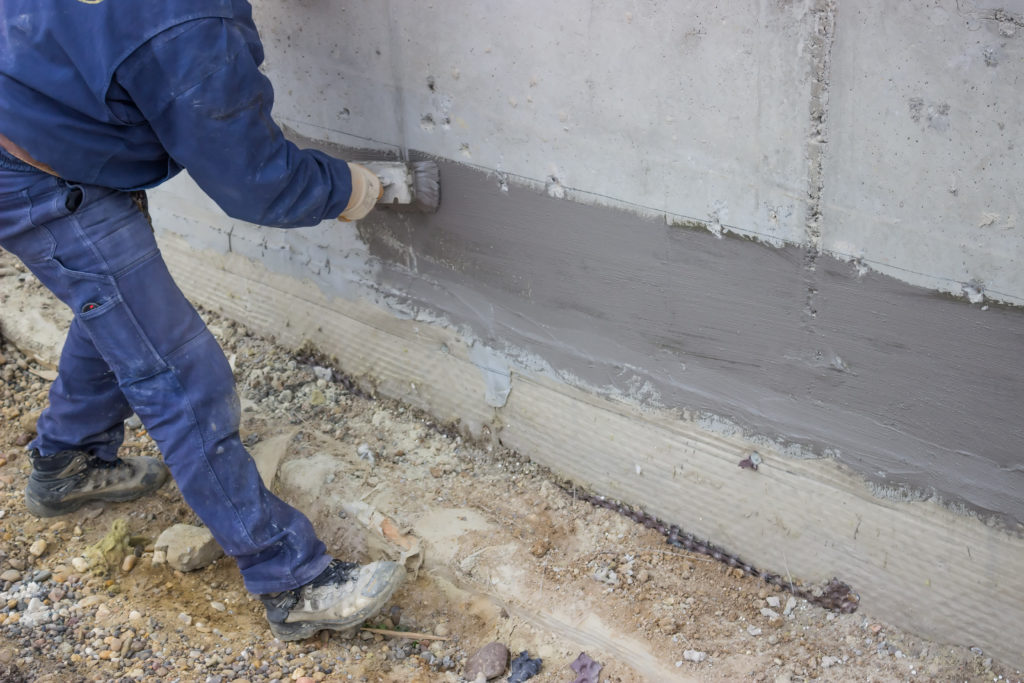
When it comes to maintaining the structural integrity of a building, foundation health is paramount. Foundation issues, if not addressed promptly, can lead to significant damage and costly repairs. Cracks in the foundation are a common concern, often indicating underlying issues that need expert attention. Drawing from the expertise of foundation specialists, this article provides essential tips for identifying, assessing, and addressing foundation cracks effectively. For those seeking more comprehensive insights, the recommendations and strategies outlined here are an invaluable resource.
Identifying Foundation Cracks
Foundation cracks can manifest in various forms, each with unique implications. Recognizing the type and severity of these cracks is crucial for determining the appropriate course of action.
- Hairline Cracks: Often considered minor, these are usually less than 1/8 inch wide and typically result from concrete shrinkage. However, monitoring is advised to ensure they do not widen over time.
- Vertical Cracks: These are common and often due to normal settling. They usually pose no serious threat if they remain narrow.
- Horizontal Cracks: These can indicate serious structural issues caused by external pressure on the foundation walls. Immediate evaluation by a specialist is recommended.
- Diagonal Cracks: Often caused by differential settling, these require careful assessment to prevent further damage.
For more detailed information on identifying and understanding foundation cracks, discover expert strategies here.
Assessing the Severity of Cracks
Evaluating the severity of foundation cracks involves a combination of visual inspection and professional assessment. Here are some factors to consider:
- Width and Depth: Cracks wider than 1/4 inch may indicate significant issues. The depth and direction of the crack also play a critical role in assessing severity.
- Location: Cracks appearing near corners or intersecting walls can be more problematic than those in open areas.
- Progression: Monitoring changes over time is essential. Rapid progression may signal an urgent need for intervention.
To understand how to assess and manage these issues, learn about our tailored solutions.
Addressing Foundation Cracks
Once the type and severity of the foundation cracks are determined, the next step involves addressing them effectively. Here are some recommended approaches:
Professional Inspection and Repair
Hiring a professional to inspect and repair foundation cracks ensures that the underlying issues are properly addressed. Specialists use advanced techniques and materials to reinforce and stabilize the foundation.
Preventative Measures
Adopting preventative measures can help mitigate future foundation issues:
- Proper Drainage: Ensure that gutters and downspouts direct water away from the foundation to prevent soil saturation and pressure build-up.
- Soil Maintenance: Maintain consistent soil moisture levels around the foundation to prevent uneven settling.
- Regular Monitoring: Routine inspections can catch cracks early before they develop into larger problems.
For comprehensive guidance on preventative measures and effective solutions, explore advanced guides and tips.
When to Seek Professional Help
While minor cracks can often be managed with basic repairs, certain situations necessitate professional intervention:
- Significant Cracking: Cracks wider than 1/4 inch, especially if they are horizontal or diagonal.
- Structural Concerns: If there are signs of foundation movement or instability.
- Water Intrusion: Moisture or water leaking through cracks indicates a serious problem that needs immediate attention.
If you face any of these issues, find out more about this approach to ensure the safety and longevity of your property.
By following these expert tips and remaining vigilant, homeowners can protect their investment and ensure a stable, secure home environment. Foundation health is not just about maintaining structural integrity; it is about ensuring safety and peace of mind.
