
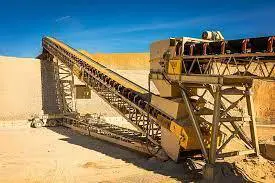
Industrial conveyor belts are pivotal components within various sectors, facilitating the smooth and efficient transport of materials. With the demand for higher productivity and streamlined operations, understanding the design and specification essentials of conveyor belts becomes crucial. This article delves into the key elements that influence the design and selection of industrial conveyor belts, ensuring optimal performance and longevity.
Understanding Conveyor Belt Design
Material Selection
The choice of materials for conveyor belts directly impacts their durability and functionality. Consider the following:
- Rubber: Ideal for general-purpose applications due to its resilience and flexibility.
- Metal: Suitable for heavy-duty applications, offering robustness and temperature resistance.
- Fabric: Used for lightweight applications, offering flexibility and cost-effectiveness.
For more detailed insights on selecting the right materials, discover expert strategies here.
Load Capacity and Belt Strength
Assessing the load capacity and belt strength is essential to avoid premature wear and potential failures. Key considerations include:
- Understanding the weight and size of the materials being conveyed.
- Choosing belts with appropriate tensile strength and thickness.
- Incorporating reinforcements for added durability.
Learn about our tailored solutions that cater to specific load requirements.
Specification Essentials for Optimal Performance
Conveyor Belt Width and Speed
The width and speed of a conveyor belt must align with the operational demands. Consider the following factors:
- Conveyor Width: Ensure the width accommodates the largest loads and allows for side-to-side movement.
- Belt Speed: Match the speed with the production line requirements for seamless integration.
For further guidance on selecting the right width and speed, explore advanced guides and tips.
Environmental Considerations
Conveyor belts must be designed to withstand the environmental conditions they will be exposed to. Essential considerations include:
- Temperature: Select materials that can withstand the temperature extremes of the operating environment.
- Moisture and Corrosion: Use corrosion-resistant coatings or materials in humid or wet conditions.
- Dust and Debris: Implement cleaning mechanisms to prevent buildup and ensure smooth operation.
Find out more about this approach to ensure environmental resilience.
Innovative Features and Technologies
Automation and Control Systems
Integrating automation and control systems into conveyor belt operations enhances efficiency and accuracy. Key features include:
- Programmable logic controllers (PLCs) for precise control.
- Sensors and monitoring systems for real-time data and diagnostics.
- Remote control capabilities for easier management and troubleshooting.
To understand how these technologies can transform operations, explore advanced guides and tips.
Energy Efficiency
With sustainability becoming a priority, designing energy-efficient conveyor systems is essential. Considerations include:
- Utilizing energy-efficient motors and drives.
- Implementing variable frequency drives (VFDs) to optimize power usage.
- Designing systems that minimize friction and reduce energy consumption.
To learn more about improving energy efficiency in conveyor systems, learn about our tailored solutions.
In conclusion, the design and specification of industrial conveyor belts require a comprehensive understanding of material properties, operational demands, and environmental conditions. By considering these essentials, businesses can ensure their conveyor systems are efficient, durable, and aligned with their production needs. For more in-depth knowledge and expert advice, discover expert strategies here.
